
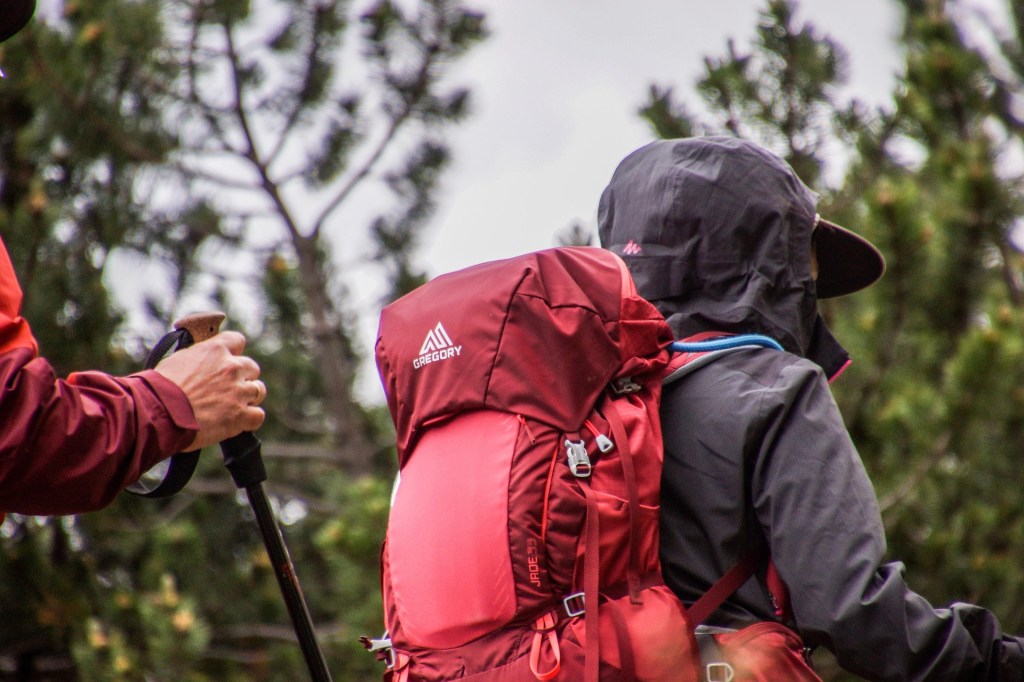
To make your next lightweight backpacking adventure a success you need more than just ultralight gear. These trips demand physical and mental preparation, we’ve got a comprehensive guide on how you can get into the right shape for a long trip.
1. Understand the Importance of Being Fit
One of the benefits of going Lightweight is having less to carry, so it’s easier on your body. However, backpacking in general still takes a good level of fitness to complete your walks and enjoy it at the same time. Being fitter will make your trip more fun and also reduce the chance of you getting an injury whilst on the trail too.
1.1. Benefits of Physical Fitness for Lightweight Backpacking
- Improved endurance and stamina
- Reduced risk of injuries
- Better balance and coordination
- Enhanced mental well-being
- Greater enjoyment and satisfaction from your trip
2. Assess Your Current Fitness Level
In order to identify the best training plan and to monitor your progress, you should try and work out your current fitness level.
2.1. How to Assess Your Fitness Level
- Consult with a healthcare professional or personal trainer
- Test your cardiovascular endurance, strength, flexibility, and balance
- Keep track of your progress using a fitness tracker or journal
3. Develop a Training Plan
If you have an idea of how fit you currently are, you’ll be able to create a training plan around that information. Training elements that promote cardiovascular endurance, strength, flexibility and balance will all contribute to a balanced training plan.
3.1. Components of a Training Plan for Lightweight Backpacking
- Cardiovascular endurance training
- Strength training
- Flexibility and balance exercises
- Hiking and backpacking-specific exercises
- Recovery and rest days
4. Cardiovascular Endurance Training
Cardiovascular endurance is a crucial aspect of lightweight backpacking. Building your aerobic fitness will allow you to hike longer distances with ease and recover more quickly.
4.1. Types of Cardiovascular Endurance Training
- Brisk walking or hiking
- Running or jogging
- Cycling
- Swimming
- Stair climbing or using a Stairmaster
4.2. Tips for Effective Cardiovascular Endurance Training
- Start with moderate-intensity workouts and gradually increase intensity and duration
- Aim for at least 150 minutes of moderate-intensity aerobic activity per week
- Include interval training to boost your endurance
- Train on uneven terrain to simulate trail conditions
5. Strength Training for Lightweight Backpacking
Strength training is essential for lightweight backpacking, as it helps you carry your pack and navigate challenging terrain with ease.
5.1. Key Muscle Groups to Target
- Legs (quadriceps, hamstrings, and calves)
- Core (abdominals and lower back)
- Upper body (shoulders, chest, and back)
5.2. Effective Strength Training Exercises for Backpacking
- Squats and lunges
- Step-ups and calf raises
- Planks and crunches
- Push-ups and pull-ups
- Dumbbell rows and shoulder presses
5.3. Tips for Effective Strength Training
- Perform exercises with proper form and technique
- Gradually increase resistance and repetitions
- Allow adequate recovery time between sessions
- Incorporate functional exercises that mimic backpacking movements
6. Flexibility and Balance Training
Improving your flexibility and balance will help you navigate uneven terrain and reduce the risk of injuries during your lightweight backpacking trip.
6.1. Flexibility and Balance Exercises
- Yoga or Pilates
- Stretching routines targeting major muscle groups
- Balance exercises, such as standing on one leg or using a balance board
6.2. Tips for Effective Flexibility and Balance Training
- Stretch gently and hold each stretch for 15 to 30 seconds
- Engage in dynamic stretching before your workout and static stretching afterward
- Perform balance exercises regularly to improve your stability and coordination
7. Hiking & Backpacking-specific exercises
Using movements in your exercises that you will use on a hike gets the right muscles in shape during your training.
7.1. Recommended Hiking and Backpacking Exercises
- Weighted step-ups
- Hill or stair repeats
- Hiking with a loaded backpack
- Trekking pole exercises
7.2. Tips for Effective Hiking and Backpacking Exercises
- Practice hiking on different types of terrain
- Gradually increase the weight of your backpack during training
- Use trekking poles to improve your stability and reduce joint strain
8. Recovery and Rest Days
Allowing your body to recover is essential for preventing injuries and promoting progress in your training.
8.1. Importance of Recovery and Rest Days
- Prevents overtraining and burnout
- Reduces the risk of injuries
- Promotes muscle growth and repair
- Enhances mental and physical well-being
8.2. Tips for Effective Recovery and Rest Days
- Schedule at least one rest day per week
- Engage in gentle activities, such as walking or stretching, on rest days
- Prioritize sleep and nutrition to support recovery
9. Monitor Your Progress and Adjust Your Training Plan
Regularly assessing your progress will help you stay motivated and make any necessary adjustments to your training plan.
9.1. Methods for Monitoring Progress
- Use a fitness tracker or journal to record your workouts
- Repeat fitness assessments to measure improvements
- Evaluate whether you’re achieving your goals and adjust your plan accordingly
9.2. Tips for Effective Progress Monitoring
- Stay consistent with your training plan
- Be patient and remember that progress takes time
- Celebrate your achievements and learn from setbacks
10. Final Tips for Training Success
Consistent training and a well-rounded plan will ensure that you’re fully fit for your next backpacking trip. Keep in mind these things throughout your training.
- Set realistic goals and be patient with your progress
- Stay consistent with your training plan and make adjustments when necessary
- Prioritize recovery and rest days
- Seek guidance from professionals or experienced backpackers
- Enjoy the process and look forward to the incredible adventures that await you
We hope this guide has given you some ideas on how to improve your fitness in the run up to your next trip. Happy trails!

 Lightpacker