
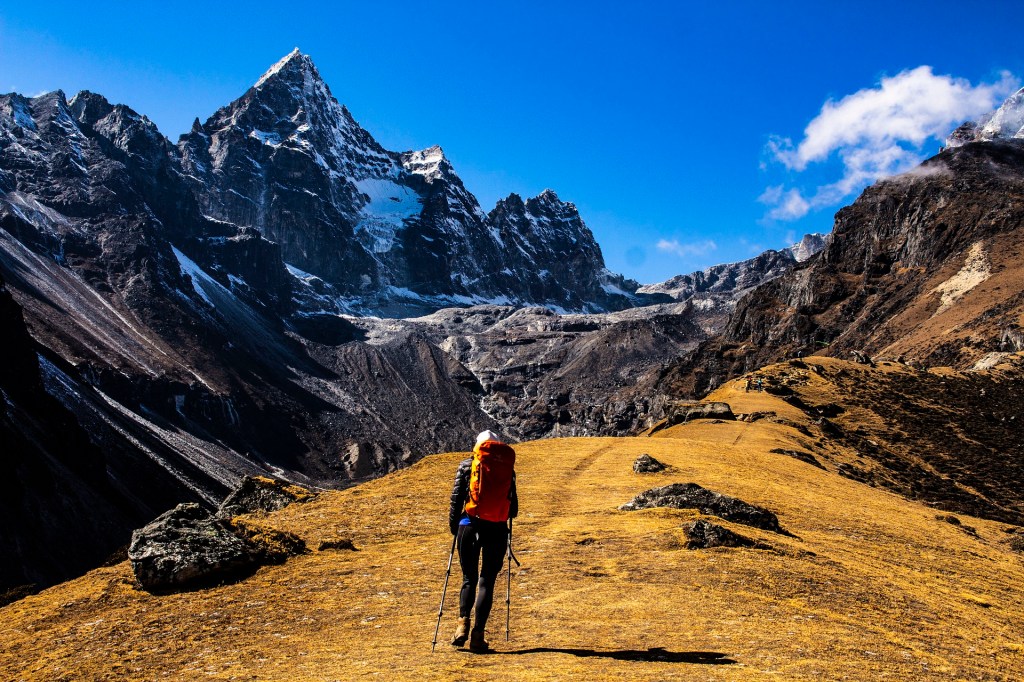
Lightweight backpacking is a popular way of exploring the great outdoors while minimizing the burden on your body. However, embarking on a solo or lightweight backpacking trip can be intimidating, especially if you’re new to the experience. It’s normal to have fears, but with proper planning, preparation, and knowledge, you can overcome them and enjoy the incredible benefits of lightweight backpacking. In this comprehensive guide, we’ll cover the essential tips and strategies to help you conquer your fears and embark on an unforgettable adventure.
1. Understanding Your Fears and Addressing Them Head-On
The first step in overcoming your fears of lightweight backpacking is to identify and understand what scares you the most. Common concerns include:
- Being alone, especially at night
- Wildlife encounters
- Getting lost
- Running out of food or water
- Dealing with unforeseen challenges or emergencies
Once you’ve identified your fears, you can begin addressing them head-on by researching, planning, and preparing for potential scenarios that may arise during your trip. This will not only help you feel more confident and secure but also allow you to make informed decisions when faced with challenges or uncertainties.
2. Planning and Preparing for Your Lightweight Backpacking Trip
Proper planning and preparation are crucial for a successful and enjoyable lightweight backpacking trip. Here are some essential steps to follow:
2.1 Set Clear Goals and Objectives
Before you embark on your lightweight backpacking adventure, it’s essential to establish the purpose of your trip. This could include hiking to a specific destination, exploring a new area, practicing your outdoor skills, or challenging yourself physically and mentally. Defining your goals will help you plan the type of trip that best suits your needs and interests.
2.2 Research Your Destination
Invest time in researching the area where you plan to backpack. This includes learning about the terrain, weather conditions, trail conditions, wildlife, and any potential hazards or obstacles. Gathering this information will not only help you prepare for potential challenges but also give you a better understanding of what to expect during your trip.
2.3 Plan Your Route and Itinerary
Once you have a clear understanding of your destination, create a detailed route plan using paper maps, digital maps, or both. This will help you stay on track and make informed decisions about where to camp, rest, and find water sources. Additionally, establish an emergency plan that includes alternate routes or exit points in case of unexpected situations.
2.4 Assemble the Right Gear
Invest in lightweight, high-quality gear that is appropriate for your trip and the expected weather conditions. This includes a comfortable and warm sleep system, proper clothing, lightweight backpacking stove, water filtration system, and your shelters. Packing light is crucial for a lightweight backpacking trip, so make sure to only bring what you need and avoid overpacking.
2.5 Practice Your Skills
Before hitting the trail, make sure you’re comfortable with essential backpacking skills, such as setting up your tent, using your stove, filtering water, and navigating with a map and compass. Practicing these skills will not only help you feel more confident in your abilities but also ensure that you’re well-prepared for any challenges that may arise on your trip.
3. Safety Considerations for Lightweight Backpacking
3.1 Be Animal Smart
It’s essential to be aware of the potential wildlife encounters in the area where you plan to backpack. This includes knowing how to safely store your food, avoid camping in high-risk areas, and respond appropriately to wildlife encounters. Taking a few precautions and being smart about your camp setup can help keep you out of danger and put your mind at ease.

3.2. Use a Satellite Communicator or Personal Locator Beacon (PLB)
Investing in a satellite communicator or PLB can provide added peace of mind and allow you to send messages, share your location, and call for help in case of an emergency. Make sure your devices are fully charged and that you know how to use them before embarking on your trip.
3.3. Trust Your Instincts
Always listen to your gut and trust your instincts when it comes to making decisions on the trail. If something feels off or unsafe, it’s essential to prioritize your safety and take appropriate action, whether that means changing your plans, turning back, or seeking help.
4. Overcoming Loneliness and Boredom
One of the challenges of lightweight backpacking is dealing with the potential for loneliness and boredom, especially if you’re traveling solo. Usually being immersed in the wilderness will be enough to keep anyone going but if it’s not here are some tips for staying entertained and engaged during your trip:
- Bring distractions, such as music, podcasts, books, or games
- Journal or document your experiences
- Engage with other backpackers you encounter on the trail
- Use the solitude as an opportunity for self-reflection, meditation, or mindfulness

5. Sleeping Comfortably and Safely
Getting a good night’s sleep is crucial for a successful lightweight backpacking trip. Here are some tips for sleeping comfortably and safely:
- Invest in a warm and comfortable sleep system, including a high-quality sleeping bag or quilt, insulated sleeping pad, and supportive pillow
- Choose a well-protected, level campsite that’s away from potential hazards
- Consider using earplugs to block out noise and help you sleep more soundly
- Store your shoes, food, and other gear properly to minimize the risk of wildlife encounters
6. Navigating the Trail
One common fear among lightweight backpackers is getting lost. To stay on track and avoid disorientation:
- Always carry a map and compass, and know how to use them
- Use digital maps and GPS devices as a backup, but don’t rely solely on technology
- Stay aware of your surroundings, and regularly check your map to confirm your location
- Follow established trails and landmarks as much as possible
7. Staying Hydrated and Well-Fed
Another concern for lightweight backpackers is running out of food or water. To stay properly nourished and hydrated:
- Plan your meals carefully, and pack enough food for your entire trip, plus an extra day’s worth in case of emergencies
- Know how to identify and locate water sources along your route
- Carry a water filter or purification tablets, and always treat water before consuming it
- Monitor your energy levels and adjust your food intake as needed
8. Dealing with Unforeseen Challenges and Emergencies
Despite careful planning and preparation, unforeseen challenges and emergencies can arise during a lightweight backpacking trip. To handle these situations effectively:
- Remain calm and composed, and assess the situation objectively
- Prioritize your safety and well-being, and make decisions accordingly
- Use your knowledge, skills, and resources to address the challenge or emergency
- If necessary, seek help or assistance from fellow backpackers, park rangers, or emergency responders

9. Managing Other People’s Fears and Concerns
As a lightweight backpacker, you may also need to manage the fears and concerns of friends and family members who worry about your safety and well-being. Some strategies for addressing their concerns include:
- Sharing your trip plans and preparations, including your goals, itinerary, and safety precautions
- Inviting them to join you on a backpacking trip or training session to demonstrate your skills and confidence
- Regularly checking in with them during your trip, if possible, to reassure them of your safety and well-being
- Providing them with contact information for park rangers, emergency responders, or other relevant authorities in the area where you’re backpacking
10. Embracing the Rewards of Lightweight Backpacking
Ultimately, the rewards of lightweight backpacking far outweigh the fears and challenges you may face. By conquering your fears and embracing the unique experiences and personal growth that lightweight backpacking offers, you’ll gain a newfound sense of freedom, self-reliance, and accomplishment. So, don’t let fear hold you back – start planning your lightweight backpacking adventure today!

 Lightpacker