
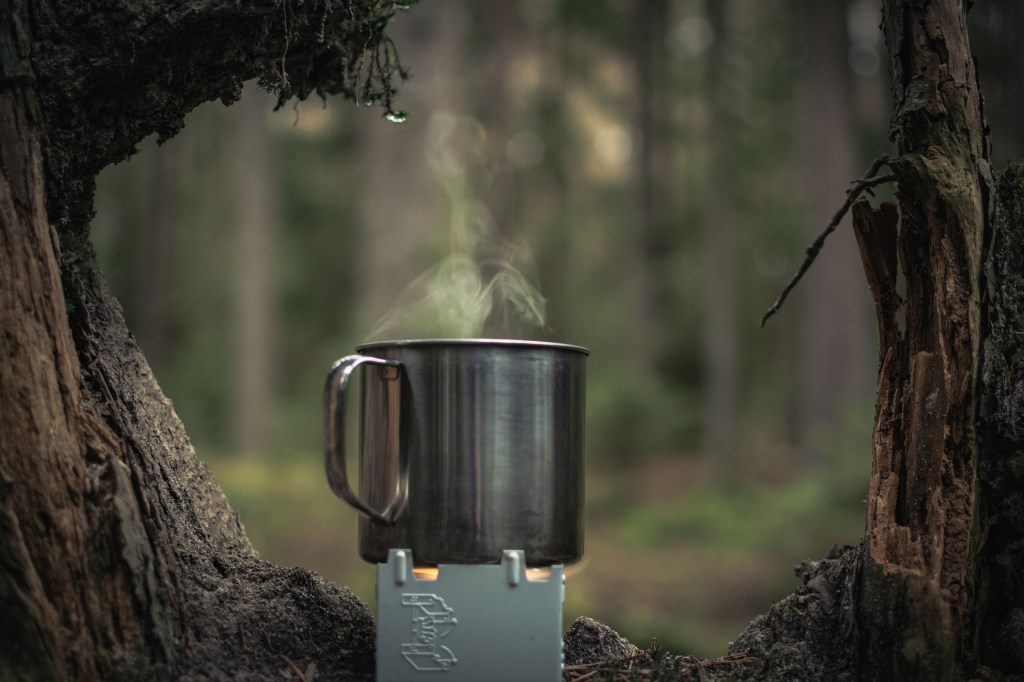
In the realm of outdoor adventures, lightweight backpacking is a popular choice for those who want to cover more ground without being weighed down by heavy gear. One of the essential components of a successful lightweight backpacking trip is packing the right food. In this comprehensive guide, we’ll explore the importance of nutrition, factors to consider when choosing backpacking foods, meal suggestions, and tips for meal planning and preparation.
The Importance of Nutrition in Lightweight Backpacking
When embarking on a lightweight backpacking trip, it’s crucial to prioritize nutrition. Hikers burn a significant amount of calories while traversing challenging terrains, and it’s essential to replenish those energy stores with nutrient-dense foods. Consuming adequate calories and nutrients ensures that you maintain your strength and endurance throughout the journey.
However, it’s important to strike a balance between nutrition and the weight of your food. Lightweight backpacking enthusiasts should aim to pack food that offers the highest nutritional value with the lowest possible weight. This can be achieved by focusing on calorie-dense, nutrient-rich foods that are lightweight and easy to prepare.
Factors to Consider When Choosing Lightweight Backpacking Foods
When selecting foods for your lightweight backpacking adventure, there are several factors to consider. These include calorie intake, weight-to-nutrition ratio, food volume, food storage, Leave No Trace (LNT) principles, convenience, water requirements, and fuel usage.
Calorie Intake
Hikers can burn anywhere between 3,000 to 5,000 calories per day, depending on factors such as distance covered, terrain, and individual metabolism. It’s essential to pack enough food to meet your daily calorie needs to maintain energy levels and avoid excessive weight loss.
Weight-to-Nutrition Ratio
Look for foods that offer a high calorie-per-ounce ratio while also providing essential nutrients such as complex carbohydrates, proteins, healthy fats, and fiber. Avoid “empty calories” from highly processed and sugary foods that offer little nutritional value.
Food Volume
Space is at a premium in a lightweight backpacker’s pack, so it’s essential to choose foods that take up minimal space without compromising on nutrition. Repackaging food into Ziploc bags can help save space and reduce bulk.
Food Storage
Proper food storage is crucial to protect both wildlife and your fellow hikers. Learn how to hang your food, use a bear canister, or store it in an odor-proof bag. This will prevent animals from being attracted to your campsite and reduce the risk of negative encounters.
Leave No Trace (LNT)
LNT principles involve leaving wilderness areas the same as you found them, without any trace of your presence. This includes properly disposing of food waste and packaging. Familiarize yourself with the seven LNT principles to minimize your impact on the environment.
Convenience
Meal preparation should be simple and efficient while backpacking. Opt for foods that require minimal cooking time or can be cold-soaked to save fuel and reduce pack weight. Some lightweight backpackers even forgo stoves altogether, opting for cold meals and snacks throughout their journey.
Water
Consider the water requirements of your meals when planning your trip. You’ll need to ensure you have access to water sources for cooking and rehydration or plan to carry extra water for dry camping.
Fuel
Fuel usage can vary considerably based on individual preferences. Some hikers cook multiple hot meals per day, while others rely on cold meals and snacks. If you plan on cooking, ensure you have enough fuel to last the duration of your trip.

Lightweight Backpacking Food Tips
Create a Meal Schedule
Planning your meals in advance can help save money and prevent you from carrying excess food. Make a list of your daily meals and snacks, which can also serve as a grocery list.
Embrace Variety
Incorporate a range of textures and flavors into your backpacking meals to prevent boredom and maintain interest in your food. Experiment with different spices and condiments to enhance the taste of your meals.
Include Fresh Produce
While fresh fruits and vegetables may not be as calorie-dense as other backpacking foods, they can provide essential vitamins, minerals, and fiber. For shorter trips, consider including lightweight fresh produce like kale, spinach, or avocado.

Treat Yourself
Don’t forget to pack a few treats to reward yourself after a long day of hiking. Look for healthier alternatives to traditional trail snacks, such as dark chocolate or natural fruit and nut bars.
Save Money by Shopping Smart
Freeze-dried meals can be costly, so consider shopping in bulk at grocery stores, health food stores, or online retailers to save money. Dehydrating your own food is another cost-effective and healthy option.
Meal Suggestions for Lightweight Backpacking
Here are some meal ideas for breakfast, lunch, dinner, and snacks, suitable for lightweight backpacking trips.
Breakfast:
- Oatmeal with dried fruit and nuts
- Nut butter packets or powdered peanut butter
- Protein powder shakes
- Granola or cereal with powdered milk or water
- Instant grits or polenta with jerky and cheese
- Breakfast protein bars
Lunch:
- Fish or chicken packets with crackers or tortillas
- Hard cheese and salami or summer sausage on tortillas
- Powdered hummus or beans with crackers or tortillas
- Bagels or pita bread with nut butter, jam, or honey
Dinner:
- Couscous with spices, dried vegetables, and jerky
- Noodles with peanut butter powder and spices
- Dried soup mixes
- Macaroni and cheese with jerky
- Freeze-dried or dehydrated meals
Snacks and Drinks:
- Nuts, seeds, and dried fruit
- Fruit leather strips
- Jerky
- Crackers, pretzels, or sesame sticks
- Protein or energy bars
- Chocolate-covered nuts or fruit
- Electrolyte or superfood drink powders

Final Thoughts
Eating well on a lightweight backpacking trip doesn’t have to be a chore. With a little planning and creativity, you can enjoy a variety of nutritious and delicious meals that will keep you fueled and satisfied throughout your journey. Remember to prioritize your nutritional needs and pack foods that offer the best balance of weight and nutrition for a successful lightweight backpacking experience.

 Lightpacker