
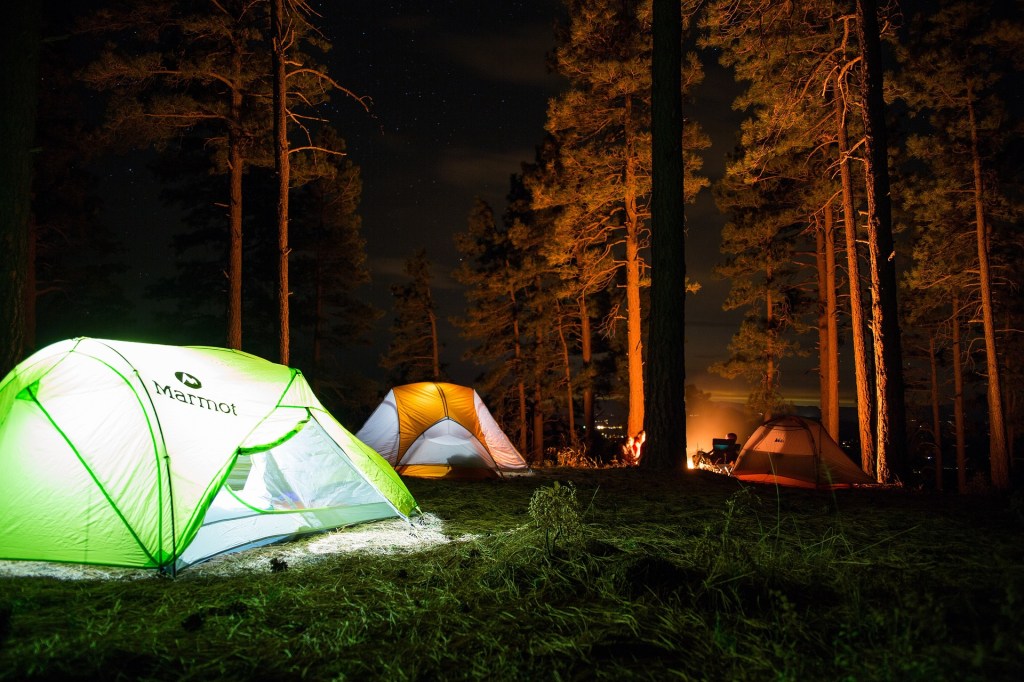
As a backpacker, choosing the right tent is one of the most important gear-buying decisions you will make. A backpacking tent is not only your shelter but also your home away from home in the backcountry. The right tent should be durable, weather-resistant, and comfortable enough to provide a good night’s sleep. However, with so many options on the market, choosing the right one can be overwhelming. In this guide, we will break down the process of choosing the best ultralight backpacking tent, from seasonality and weight to cost, capacity, and livable space.
Seasonality
The first step in choosing an ultralight backpacking tent is determining when and where you will be using it. Most backpackers stick to trips on established routes, mainly during the summer months, so a 3-season tent is the most common choice. These tents are designed to handle mild weather conditions, with ample ventilation and mesh panels to keep you cool during hot summer nights. They are also lightweight and compact, making them easy to carry on long-distance trips.
However, if you plan to venture out in the winter, you’ll want a more formidable 3-season tent that can keep you safe and dry in rough weather. For extreme winter conditions, a true 4-season tent is required. These tents are engineered to withstand fierce winds and substantial snow loads, with more poles and heavy-duty fabrics. Keep in mind that 4-season tents are heavier and bulkier than 3-season tents, so they may not be the best choice for long-distance backpacking.
Use: Casual or Serious Backpacking
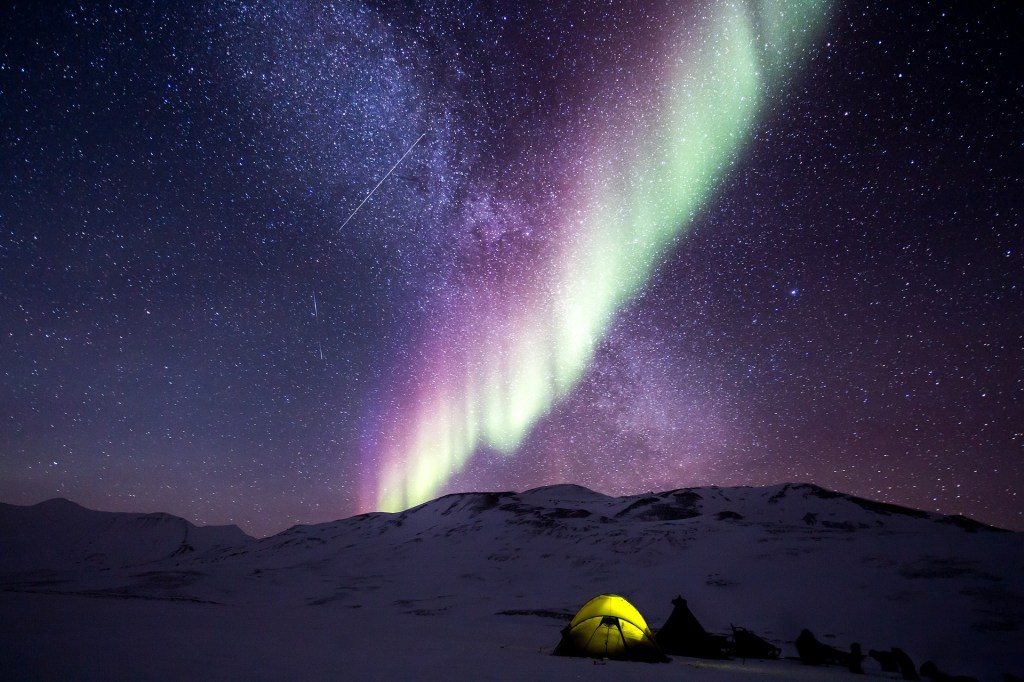
The next consideration in choosing an ultralight backpacking tent is the type of trip you’ll be undertaking. Casual backpacking trips typically involve shorter distances on well-trodden trails, with campsites that are easy to access. In this case, you can choose a tent that is reasonably priced, simple to set up and take down, and durable enough to withstand regular use. Look for a tent with good all-around livability, including ample headroom and ventilation.
For longer and more ambitious trips, weight and packed size become more important factors. Ultralight backpackers and thru-hikers, in particular, need to prioritise weight and packability to cover long distances with ease. Keep in mind that lighter-weight tents often come with compromises, including a higher price point, reduced durability, and fewer features. Choose a tent that meets your specific needs and budget.
How Important is Weight to You?
Weight is a critical consideration when choosing an ultralight backpacking tent. The lighter the tent, the easier it is to carry on long hikes. Budget-oriented tents often use heavier materials, while high-end ultralight models use thinner materials to reduce weight. However, as weight goes down, the price goes up, and durability and interior space decrease. It’s essential to strike a balance between weight and durability when choosing an ultralight backpacking tent.
Capacity
Backpacking tents are categorised by capacity, from 1- to 4-person models. Most tent names include a number for the capacity, such as the Big Agnes Copper Spur UL2. Keep in mind that tent interiors are often “cosy,” with no industry standard defining per-person dimensions. If you’re larger than average or crave more space, consider looking at tents designated one-person larger than your group, or hunt for a tent that’s one or two inches wider or longer than average. Always compare exact dimensions between tents you’re considering if having more floor space is essential to you.
Livable Space
“Livability” refers to the features that make the time you spend inside your tent more enjoyable. A big part of livability is how roomy a tent feels to you. Backpacking tents traditionally had steeply sloped walls, minimal floor space, and hardly any headroom. However, thanks to advances in materials and designs, tents today feel much more open and inviting. Visit a store and ask to set up prospective tents so you can hop inside them to assess livability. Consider factors such as floor dimensions, floor area, peak height, and wall shape when evaluating livable space.
Weather Protection
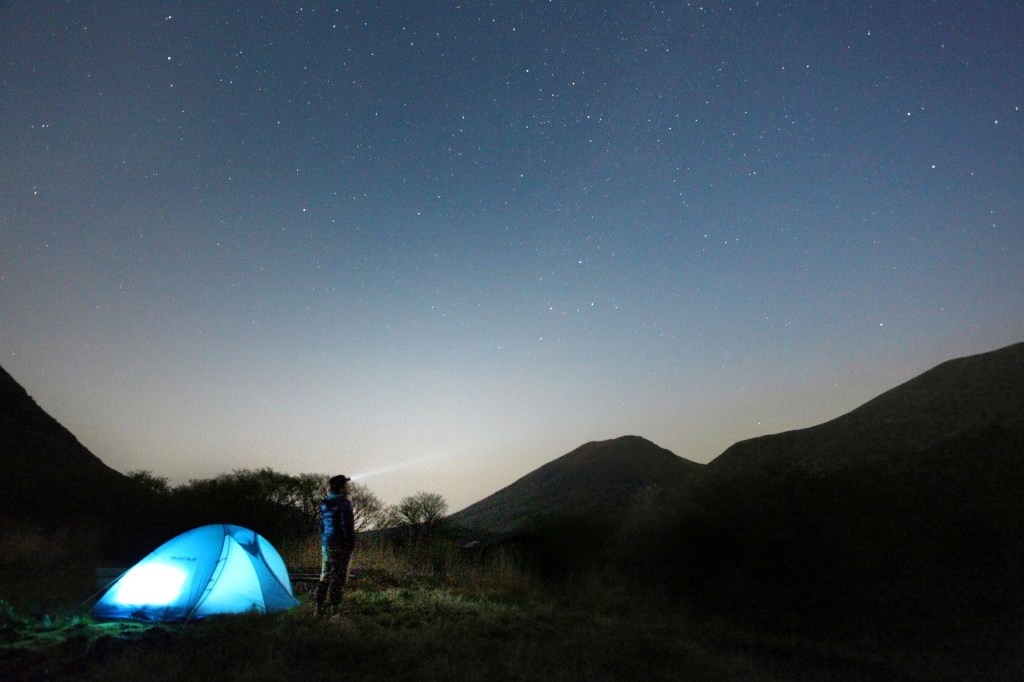
Weather protection is a critical factor in choosing an ultralight backpacking tent. Look for a tent with ample ventilation and mesh panels to keep you cool during hot summer nights. In wet conditions, make sure the tent has a waterproof rainfly to keep you dry. Some tents also feature vestibules to store gear and keep it dry. If you plan to camp in high winds or heavy snow, consider a 4-season tent with more poles and heavy-duty fabrics.
Durability
Durability is an essential factor in choosing an ultralight backpacking tent, especially if you plan to use it for long-distance backpacking trips. Look for a tent made from high-quality materials that can withstand regular use and exposure to the elements. Cheaper tents often use heavier materials that are more durable, while ultralight models use thinner materials that are less durable. Strike a balance between weight and durability to ensure your tent lasts for many adventures to come.
Price
Price is a significant consideration when choosing an ultralight backpacking tent. Budget-oriented tents are a great choice for casual backpackers or those just starting out. These tents are often heavier and less durable than high-end models but provide good value for the price. Ultralight models, on the other hand, are more expensive but offer superior weight savings and packability. Choose a tent that meets your specific needs and budget.
Key Tent Specs
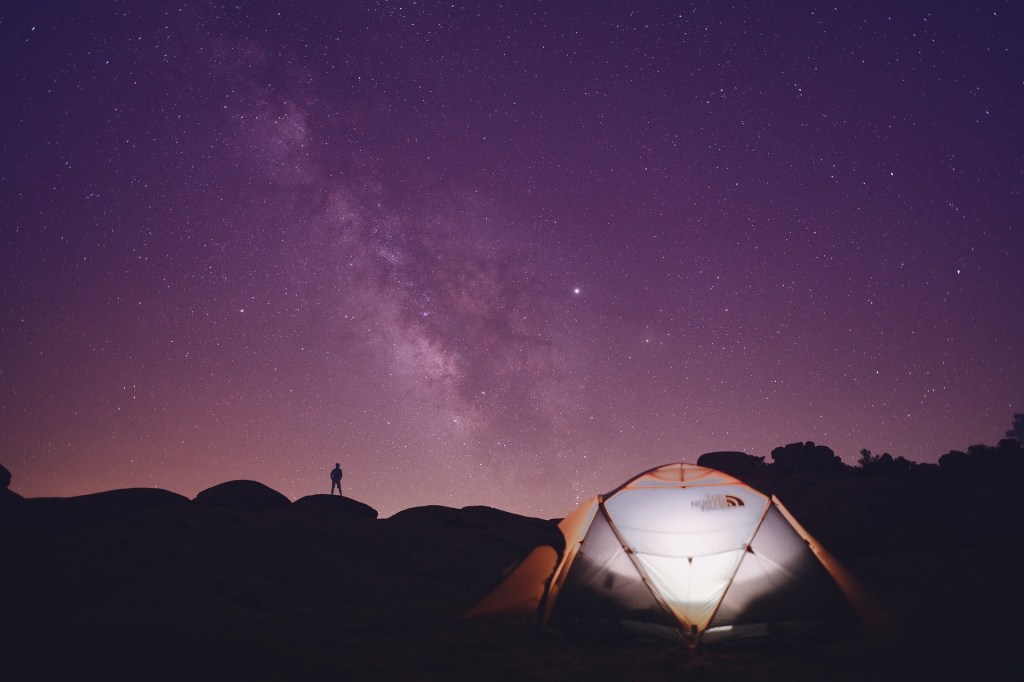
When evaluating an ultralight backpacking tent, pay attention to the following key specs:
- Minimum trail weight: This is the weight of the tent body, rainfly, and poles only—the bare essentials.
- Packaged weight: This is the weight of all the components you get with a purchase, including body, rainfly, poles, stakes, stuff sack, pole sack, instructions, and more.
- Packed size: The amount of space the tent takes up in a pack also relates to how easy a tent is to carry.
- Floor dimensions (floor plan): Length and width measurements offer a rough idea of floor size.
- Floor area: This number indicates the total square footage of floor-level space.
- Peak height: Measures the highest point of the tent.
- Wall shape: The angle of the tent walls affects interior space and overall livability.
Conclusion
Choosing the right ultralight backpacking tent requires careful consideration of seasonality, weight, capacity, livable space, weather protection, durability, and price. Look for a tent that meets your specific needs and budget, whether you’re a casual backpacker or an ultralight thru-hiker. With the right tent, you can enjoy a comfortable and safe night’s sleep in the backcountry.

 Lightpacker