
Are you tired of hiking or backpacking with hefty bags on your back? Do you wish to enjoy the outdoors without being burdened by your equipment? Take a look at the art of lightweight backpacking.
Ultralight backpacking is a philosophy that emphasises removing unnecessary weight from your pack in order to go faster and farther with less effort on your body. While there is no formal definition of “ultralight,” it is commonly used to refer to a pack weight of 10-20 pounds, omitting consumables such as food and drink.
This article will give you tips and tactics for mastering the art of ultralight backpacking. Everything from gear choices to mindset shifts will be covered so you can attack the trails with a lighter load.
Weigh Your Gear
Weigh each item in your pack with a kitchen or luggage scale, and make a note of your base weight (everything except consumables). This will provide you with a starting point and assist you in identifying areas where you can lose weight.
Replace Older Gear with Lighter Options
When replacing old equipment or purchasing the latest models, pay special attention to the weight of each item. Look for lightweight alternatives that still fulfil your demands, and think about investing in high-quality equipment that will last longer and perform better. Aim for a starting weight of about 10 pounds, and keep in mind that every ounce matters.

Make Gradual Changes
Weight loss in your pack might be costly, especially if you replace numerous items at once. Consider making modest modifications, replacing one “big ticket” item at a time with a lighter-weight alternative. This will spread out the cost and make the transition to ultralight backpacking more manageable.
Understand the Tradeoffs
Although ultralight gear is typically less in weight, it may not be as durable or comfortable in the long term as traditional gear. Keep this in mind while you choose your hiking gear and examine the weather conditions. Sewing your own gear is a terrific way to save money and reduce weight, but keep in mind that it may not be as durable as store-bought gear.
Pack Light
Packing less is the most effective strategy to lessen your load. When determining what to bring on your trip, be brutal and just bring the necessities. Consider leaving behind items like extra clothing, redundant gear, and luxury items that aren’t necessary for your safety or comfort.
Choose Your Shelter Wisely
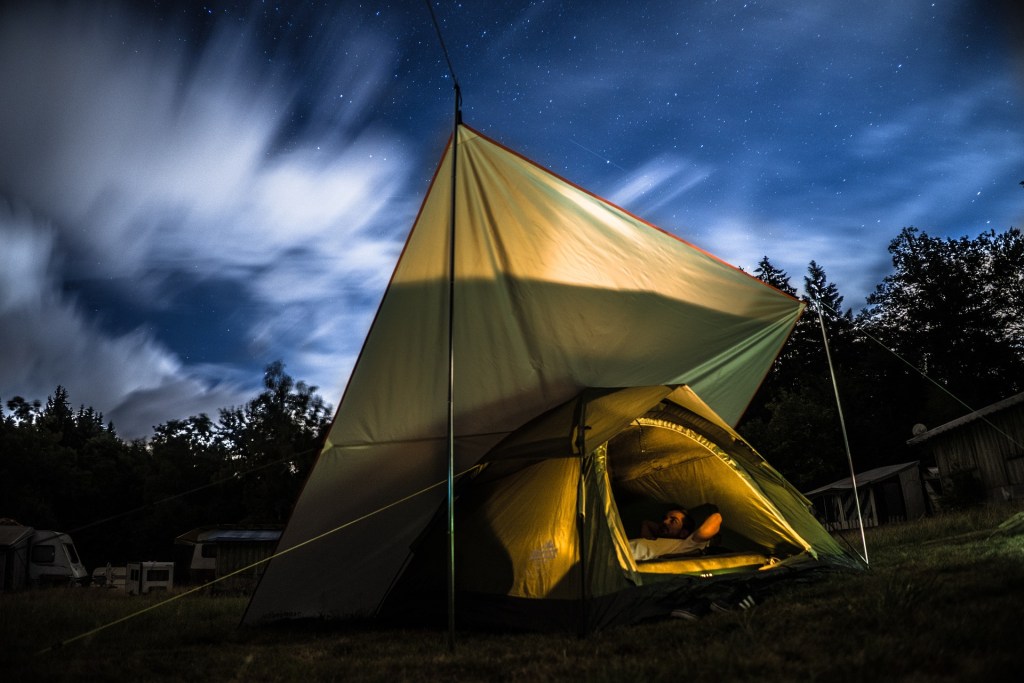
Your shelter is one of the heaviest items in your pack, so choose it wisely. Look for lightweight options like tarps or bivy sacks, and consider sharing a tent with a hiking partner to cut weight. Use rocks or other natural anchors to secure your shelter instead of carrying extra stakes.
Invest in a Digital Scale
A digital scale is a valuable tool for any ultralight backpacker. Use it to weigh each item in your pack and track your progress as you shed weight. Knowing the exact weight of each item will help you pack more strategically and avoid carrying unnecessary weight.
Opt for Multi-Use Gear
When shopping for equipment, search for goods that may serve several functions. A buff, for example, can function as a cap, headband or neck gaiter, while a garment with zip-off sleeves can function as both a jacket and a vest. You can reduce the amount of goods you need to pack and conserve weight by selecting multi-purpose gear.
Learn to Make Do
Ultralight backpacking necessitates a mental shift. Rather than relying on equipment to fix every problem, learn to make do with what you have. As insulation, utilise natural materials such as leaves and pine needles, create homemade seats out of rocks or logs. By relying less on equipment, you will become more self-sufficient and more prepared to deal with unforeseen situations.
Final Thoughts
Ultralight backpacking is more than just reducing pack weight; it’s an attitude that involves a willingness to let go of non-essential goods and rely more on your own abilities and judgement. You may lighten your load and enjoy the outdoors with less effort on your body if you follow these suggestions and tactics. Always prioritise safety and comfort on the trail by investing in high-quality gear that suits your demands. Happy hiking!

 Lightpacker