
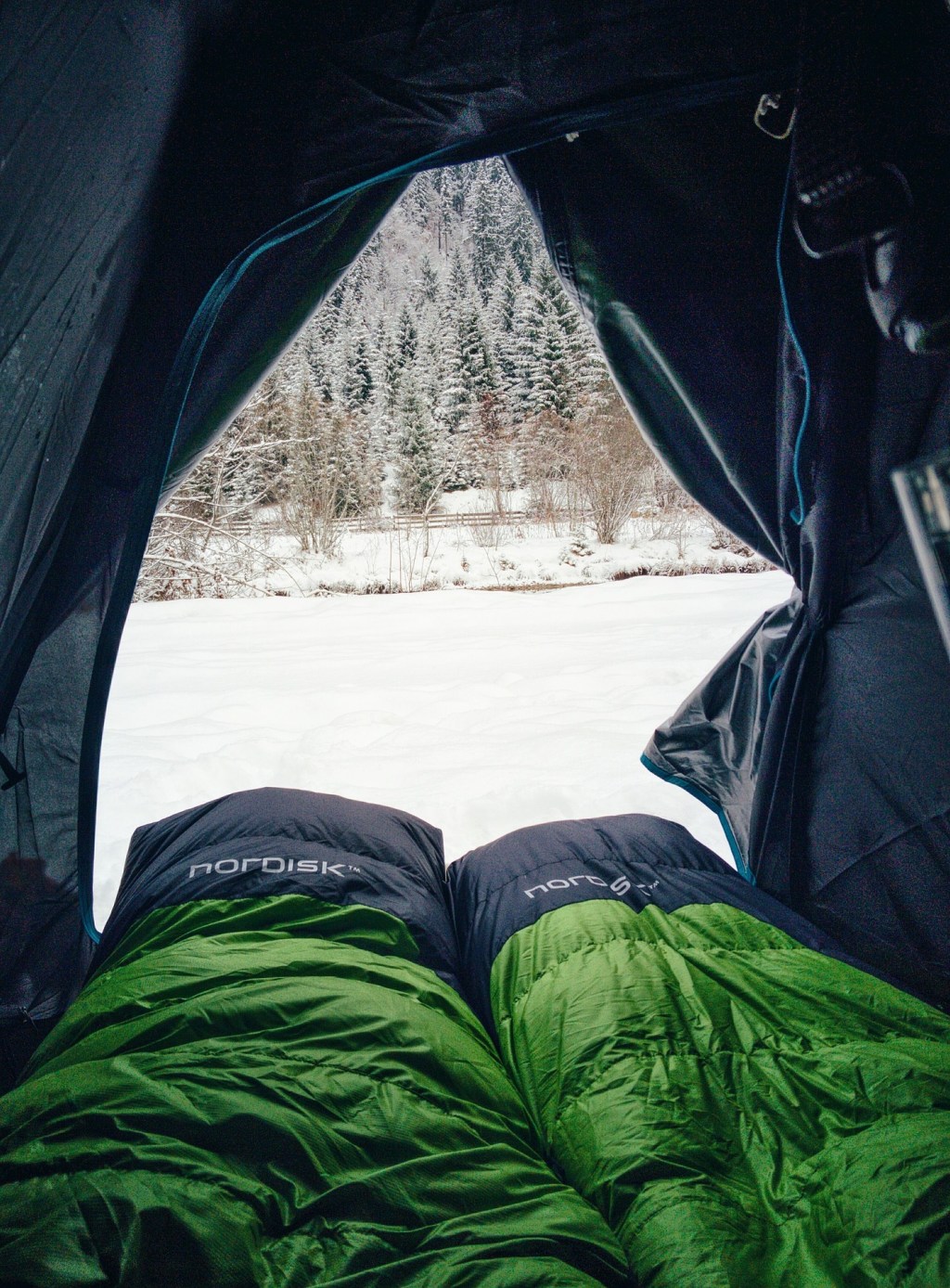
Going on a backpacking trip is a thrilling experience. However, the choice of gear, notably the sleeping bag, is an important element of the expedition. A lightweight sleeping bag may make or break your backpacking trip by providing comfort and warmth after a long day of hiking. This comprehensive guide will assist you in navigating the numerous alternatives available and selecting the best lightweight sleeping bag for your needs.
Understanding Your Lightweight Sleeping Bag
When it comes to selecting a lightweight sleeping bag, it’s essential to understand the different elements that make up this crucial piece of gear. These components include:
Sleeping Bag or Quilt
The first consideration is whether to choose a traditional sleeping bag or an ultralight backpacking quilt. The choice between the two often depends on personal preference, the expected weather conditions, and the comfort level desired.
Sleeping Mat
A sleeping pad is an integral part of a sleep system. This piece of gear provides insulation and cushioning from the ground, enhancing your sleeping comfort.
Pillow
A pillow, while not required, can give an extra layer of comfort to your sleeping system. Because of their small weight and compact pack sizes, inflatable pillows are popular among ultralight backpackers.
Sleeping Bag Liner
A sleeping bag liner can add a few extra degrees of warmth, making it a worthwhile addition to your sleep system. It also keeps the sleeping bag clean, prolonging its lifespan.
Decoding Sleeping Bag Temperature Ratings
The temperature rating of a sleeping bag indicates the lowest temperature at which the bag will keep the average sleeper warm. However, these ratings are far from absolute, as comfort is subjective and influenced by factors such as metabolism, clothing, and sleeping pad insulation.
Sleeping bags often have two temperature ratings: “comfort” and “limit.” The comfort rating indicates the temperature at which a sleeper who feels the cold will be comfortable, whereas the limit rating indicates the temperature at which a warm sleeper will be comfortable. However, for further confidence, buy a bag with a lower temperature rating than what you think you’ll need.
Down vs. Synthetic Fill: A Comparative Analysis
The type of fill – down or synthetic – significantly impacts the performance of a sleeping bag. Both types of fill have their strengths and weaknesses.
Down Fill
Down, the undercoating of feathers from ducks or geese, is renowned for its warmth, lightweight, and compressibility. However, down is less effective when wet and is generally more expensive.
Synthetic Fill
Synthetic fill, usually made of polyester, is less expensive than down and continues to insulate even when wet. However, synthetic sleeping bags are typically heavier and less compressible than their down counterparts.
The Importance of Weight and Packability
The weight of your sleeping bag is an important consideration, particularly for long-distance hikers. A lightweight sleeping bag will not only lessen your load but will also take up less room in your backpack. Down sleeping bags are lighter and more compact than synthetic sleeping bags.
Considering Durability: Shell Denier
The durability of a sleeping bag is often determined by the denier (D) of its shell, indicating the thickness of the fabric. A lower denier indicates a thinner shell that is lighter but more vulnerable to damage. It is critical to find a happy medium between durability and weight.
Selecting the Right Bag Shape
The shape of a sleeping bag plays a significant role in its performance. Mummy-shaped bags, which are narrower at the feet and wider at the shoulders, are popular due to their superior heat retention and lighter weight. However, they can feel restrictive to some sleepers, who might prefer a roomier bag or a quilt.
Understanding Fill Power
Fill power measures the loft or fluffiness of the down used in a sleeping bag, which correlates directly to its insulating ability. A higher fill power indicates superior quality down, providing more warmth for less weight. However, higher fill power also typically means a higher price tag.
The Role of Hydrophobic Down and DWR
To overcome the vulnerability of down to moisture, many manufacturers are now treating down with a water-resistant coating, creating hydrophobic down. Additionally, a durable water repellent (DWR) finish can be applied to the sleeping bag’s shell fabric to provide an extra layer of water resistance.
Additional Features to Look Out For
Many modern sleeping bags include extras like interior sleeves for pillows and sleeping pads, hideaway pockets for valuables, anti-snag zippers, and more. While these features can improve your comfort, they also add to the bag’s weight.
Budgeting for Your Sleeping Bag
The cost of a sleeping bag can vary widely based on factors like fill type, temperature rating, brand, and more. While down sleeping bags tend to be more expensive, they usually offer better performance and longevity, making them a worthwhile investment for frequent backpackers.
The Emergence of Hoodless, Half Zips, and Zipperless Bags
In a bid to create the lightest gear possible, manufacturers have started to experiment with removing traditional sleeping bag features like zippers and hoods. While these ultralight options offer significant weight savings, they also come with certain compromises in terms of warmth and comfort.
The Rise of Sleeping Quilts
Due to their decreased weight and better mobility when compared to regular sleeping bags, sleeping quilts have grown in popularity among ultralight backpackers. They are not, however, as warm as mummy bags and may not be ideal for colder weather.
Top Picks for Lightweight Backpacking Sleeping Bags
Given the countless options available, selecting the best lightweight sleeping bag can be a challenging undertaking. The ultimate decision will be influenced by considerations such as your budget, preferred sleeping position, weather forecast, and personal comfort preferences.
Finally, a nice lightweight sleeping bag is a vital piece of equipment for any hiking trip. You can make an informed decision that best meets your needs if you understand the numerous components and aspects involved in buying a sleeping bag.

 Lightpacker