
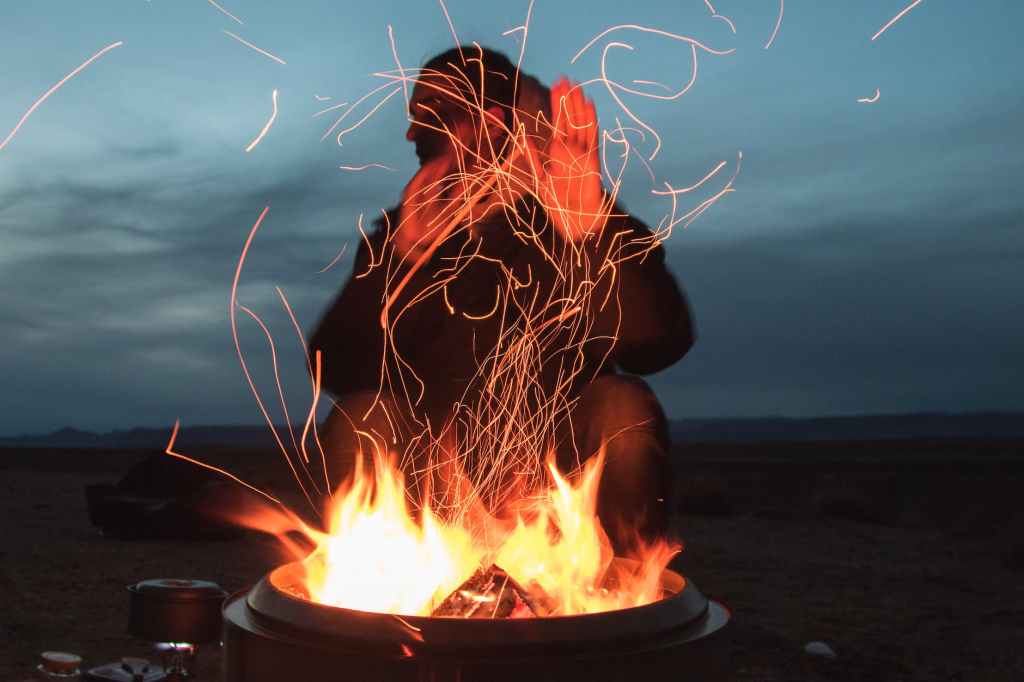
Are you an avid backpacker who loves the thrill of lightweight backpacking? Do you enjoy the freedom and adventure that comes with exploring the great outdoors? If so, you know that staying warm is crucial, especially when you’re out in the wilderness. In this comprehensive guide, we’ll share valuable insights and tips on how to keep warm during your lightweight backpacking adventures.
The Importance of Staying Warm in Lightweight Backpacking
When you’re out in the wild, the weather can be unpredictable, and the temperature can drop drastically, especially at higher elevations. It’s essential to prioritise staying warm to ensure your comfort, safety, and overall enjoyment of the experience. Cold temperatures can lead to hypothermia, frostbite, and even death in extreme cases. By taking the necessary precautions and following the tips we’ll provide, you can stay warm and cosy throughout your lightweight backpacking journey.
Understanding the Basics: Clothing and Layering
Choosing the right clothing is fundamental when it comes to staying warm during lightweight backpacking trips. Opt for quick-drying clothes that wick away moisture from your body instead of retaining dampness. Merino wool and synthetic fabrics designed for moisture-wicking purposes are excellent choices. Avoid cotton, as it tends to get wet and stay wet, which can make you feel colder.
Layering is key when it comes to hiking in changing weather conditions. A basic layering system includes a base layer shirt, a midweight long sleeve shirt (preferably made of merino wool or a warm synthetic fabric), an insulating jacket (such as down or synthetic insulation), and a rain jacket for protection against rain and extra warmth. On the bottom, consider wearing shorts or pants, long underwear or tights for sleeping and added warmth, and rain pants for rainy conditions.
Remember, always have a set of warm and dry clothing saved for camp. Keep them safe and dry in your pack, ensuring you have something to keep you warm once you stop hiking. Additionally, wearing a warm hat or hood can help retain body heat, as we lose a significant amount of heat through our heads.
Staying Warm on the Trail: Tips and Tricks
While hiking generates body heat, there may be times when you start feeling chilled, especially during early mornings, late afternoons, or on particularly cold days. Here are some tips to help you stay warm while hiking:
- Keep warm layers handy and change into them before you get too cold. Once you start feeling chilled, it can be challenging to warm up again. When transitioning from uphill to downhill or taking a snack break, take the time to put on a mid-weight shirt or rain jacket.
- Remove warm layers before you get too sweaty. Sweating in cold weather can make you feel even colder. If you find yourself overheating, take the time to remove a layer. This not only increases immediate comfort but also prevents your clothes from getting wet, which can lead to increased chilliness later on.
- Think ahead and manage your temperature based on the weather conditions. Assess the current and upcoming weather conditions to determine the most critical layer changes. For example, if you’re feeling chilly in a shady canyon but know you’ll soon be climbing uphill into the sun, it might be worth enduring the chill for a little while. On the other hand, if you’re hiking downhill late in the day, the temperature will likely continue to drop, so adding an extra layer would be wise.
- Always keep your warm layers and sleeping gear dry. Your clothing and sleeping bag are your lifelines in cold weather. Ensure they stay dry by using a waterproof pack cover and additional dry sacks or plastic bags inside your pack. When crossing rivers, make sure critical gear is in waterproof bags. Be mindful of water inside your pack, as even small leaks or loose lids can lead to wet gear.
- Utilise rain gear as a windbreaker and for extra warmth. If it’s dry but cold, wearing your rain jacket and pants can help keep you warm. They act as a barrier against the wind and provide additional insulation.
By implementing these tips, you’ll be better equipped to stay warm while hiking during your lightweight backpacking adventures.
Ensuring Warmth at Camp: Clothing and Insulation
When you arrive at camp, it’s crucial to prioritise warmth to ensure a comfortable and restful night’s sleep. Here are some strategies to stay warm at camp:
- Change into dry clothing upon arrival at camp. Remove any wet or damp clothes and put on dry ones. Dry clothes trap more warm air, helping to retain body heat and keep you warmer.
- Wrap a jacket or sweater around your neck to seal the top of your sleeping bag or quilt. This creates a draft collar effect, preventing hot air from escaping around your neck and keeping you warmer.
- Put on all your dry clothes, including rain gear, inside your sleeping bag or under your quilt. Wearing multiple layers increases insulation and helps retain body heat throughout the night. In extreme situations, you can even stuff dry leaves inside your sleeping bag for extra warmth.
- Keep your feet warm before getting into your sleeping bag. Wet or cold feet can make it challenging to warm up once inside your sleeping bag. Exercise your feet to improve blood flow or warm them by a fire before hopping into your sleeping bag. Having dry wool socks ready to slip into is also a good idea.
- Consider using puffy booties to keep your feet warm at night. These lightweight and insulated booties provide extra insulation and can be a game-changer for maintaining warmth during sleep. Look for booties with high-quality insulation that can stay warm even if they get wet.
By following these strategies, you’ll be well-prepared to stay warm and comfortable during your nights at camp.
Understanding Temperature Ratings: Sleeping Bags and Quilts
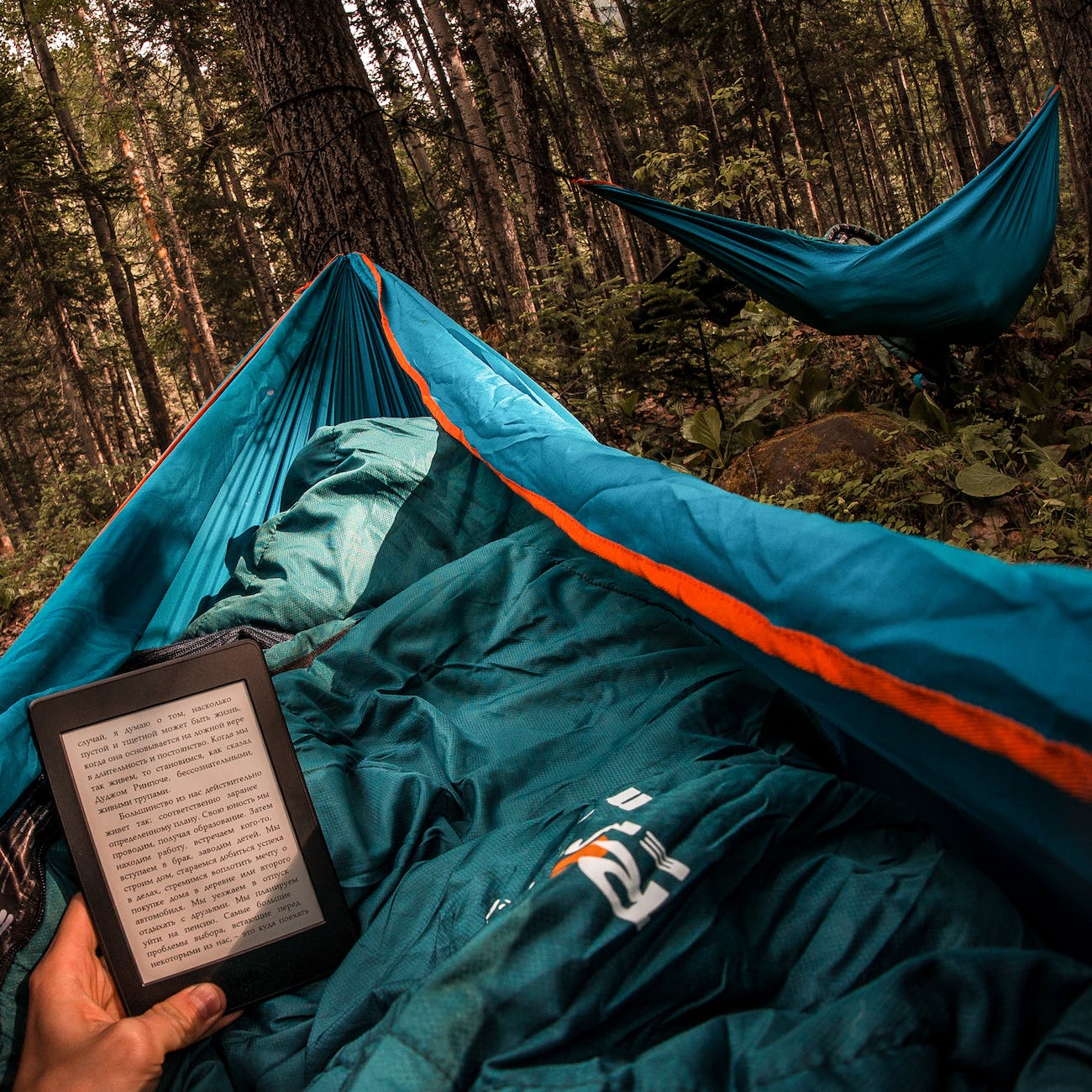
Temperature ratings on sleeping bags and quilts can be confusing and inconsistent. Different manufacturers may interpret and use temperature ratings differently, leading to discrepancies. It’s essential to understand how temperature ratings are determined to make informed decisions about the gear you choose. Here are some key points to consider:
- Temperature ratings are often given as a safety measure or a comfort rating. Some manufacturers design their products to help you survive through the night at a certain temperature, while others focus on providing comfort throughout the night.
- Take note of the manufacturer’s intended meaning behind the temperature rating when purchasing a sleeping bag or quilt. Ask them about their testing methods and how they determine the rating.
- It’s worth noting that a sleeping pad plays a crucial role in keeping you warm. Your pad acts as insulation, keeping cold air away from your body and warm air close to it. Therefore, the warmth of your sleeping pad should be considered alongside the temperature rating of your sleeping bag or quilt.
By understanding temperature ratings and the importance of a quality sleeping pad, you can make more informed choices when selecting gear for your lightweight backpacking trips.
The Role of Your Sleeping Pad in Staying Warm
Your sleeping pad is just as important as your sleeping bag when it comes to staying warm during lightweight backpacking trips. The pad serves as insulation, preventing cold air from reaching your body and keeping warm air close. Here are some key points to consider:
- Choose a sleeping pad with excellent insulation properties. Warmer sleeping pads are designed to keep you cosy even in colder temperatures. They achieve this by using various insulation materials and techniques.
- Understand how your sleeping pad functions to keep you warm. It creates a barrier between your body and the cold ground, minimising heat loss. The insulating materials within the pad trap warm air and prevent it from dissipating.
- Experiment with different sleeping pad options to find the one that suits your needs. Consider factors such as weight, comfort, and insulation properties.
By prioritising a high-quality sleeping pad and understanding its role in insulation, you can significantly enhance your warmth and comfort during lightweight backpacking trips.
The Impact of Your Tent on Warmth
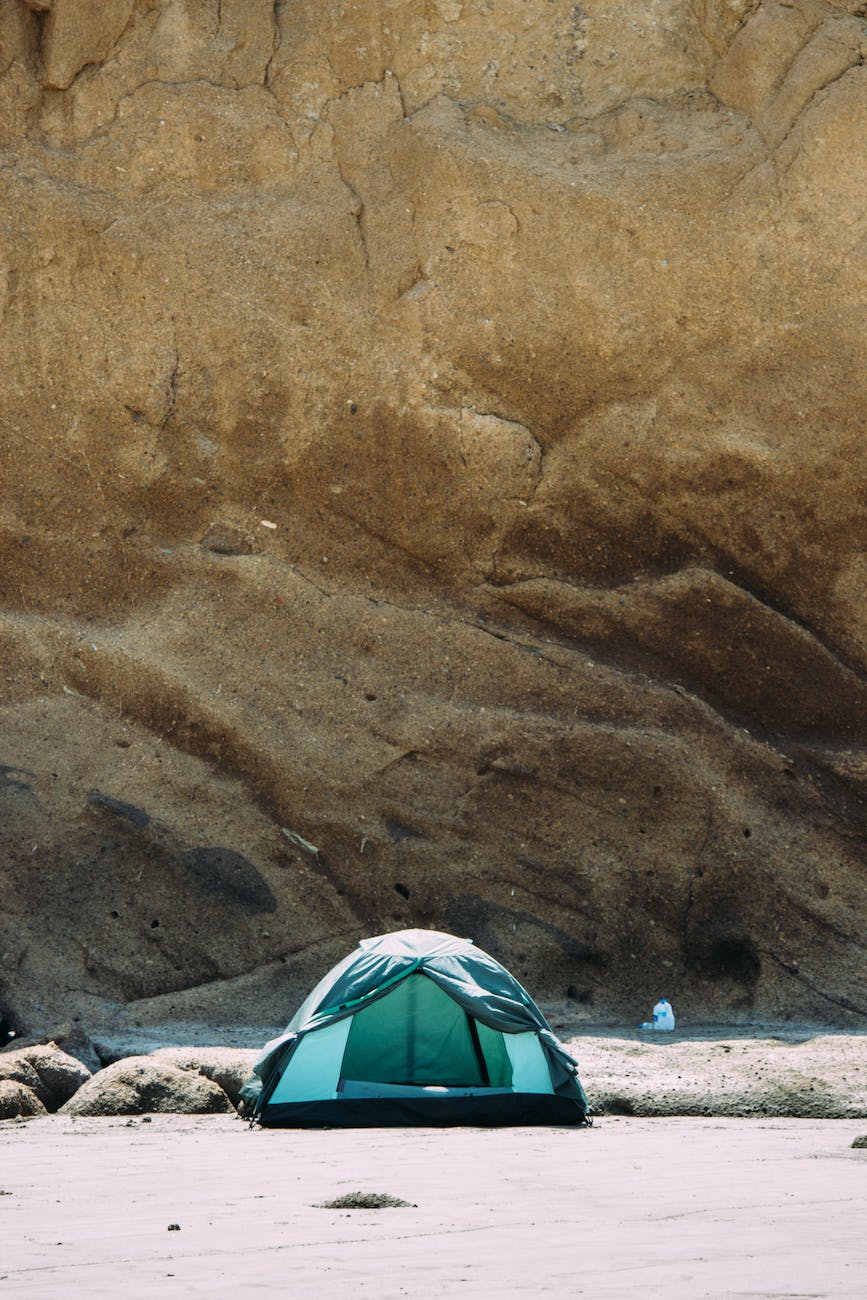
Your tent can make a significant difference in maintaining warmth during your lightweight backpacking adventures. It acts as a barrier against wind, retaining warm air around your sleeping bag and pad. Here are some considerations when it comes to your tent:
- Choose a tent that provides good wind protection. A tent with a solid construction and minimal draft will help prevent warm air from escaping and cold air from entering. Look for features like a sturdy rainfly and well-sealed seams.
- Consider the size of your tent. A smaller tent with fewer empty spaces will retain heat better, especially if shared with another person. The body heat emitted by multiple occupants can contribute to overall warmth inside the tent.
- Be mindful of external factors that can impact your tent’s insulation. Snow accumulation on the outside of your tent can provide additional insulation, while heavy wind can make it more challenging to retain warmth.
While your tent can help retain warmth, it’s important to note that it plays a supporting role alongside other gear and techniques. Understanding its impact and optimising its usage can contribute to a more comfortable sleeping environment.
Finding the Balance: Warmer Gear vs. Lighter Gear
Choosing the right sleeping bag and sleeping pad combo is crucial for staying warm during lightweight backpacking trips. However, finding a balance between warmth and weight can be challenging. Here are some points to consider:
- Test your gear system at home before heading out on your lightweight backpacking trip. This will give you an idea of how well your gear performs in different temperatures and conditions.
- Prioritise both your sleeping bag and sleeping pad. They work together to create an optimal sleep system for warmth and comfort. Don’t overlook the importance of a high-quality sleeping pad, as it plays a significant role in insulation.
- Assess your personal tolerance for discomfort. While lightweight gear can help reduce pack weight, it may come at the expense of some comfort and warmth. Consider your personal needs and preferences when choosing gear.
Remember, finding the right gear balance is a process of trial and error. It’s essential to understand that both your sleeping bag and sleeping pad contribute to your overall warmth and comfort during lightweight backpacking trips.
Additional Tips for Staying Warm
Here are a few additional tips to help you stay warm during your lightweight backpacking adventures:
- Wear your clothes to bed. Contrary to the myth that sleeping naked keeps you warmer, wearing clothes actually helps retain body heat. Just make sure not to wear too many clothes that compress the insulation of your sleeping bag.
- Create a barrier between your sleeping pad and the ground. Use pine branches or place your backpack beneath your pad to prevent direct contact with the cold ground.
- Cover your head with a balaclava or hat to retain heat. Your head radiates a significant amount of body heat, so keeping it warm can make a noticeable difference.
- Tuck in your shirt to trap warm air close to your body. This simple technique can help maintain warmth throughout the night.
- Utilise a hot water bottle. Fill a Nalgene bottle with fairly hot water and place it near your legs or feet inside your sleeping bag. The bottle will stay warm and provide additional heat throughout the night.
By incorporating these additional tips into your lightweight backpacking routine, you can further enhance your warmth and comfort in the backcountry.
Conclusion
Staying warm during lightweight backpacking trips is essential for your comfort, safety, and overall enjoyment. By choosing appropriate clothing, mastering layering techniques, understanding temperature ratings, and investing in quality gear, you can ensure a cosy and enjoyable experience in the great outdoors. Remember to prioritise both your sleeping bag and sleeping pad, as they work hand in hand to provide optimal insulation. Test your gear system, find the right balance between warmth and weight, and be open to experimenting with different techniques to find what works best for you. With these insights and tips in mind, you’ll be well-prepared to stay warm and make lasting memories on your lightweight backpacking adventures.

 Lightpacker