
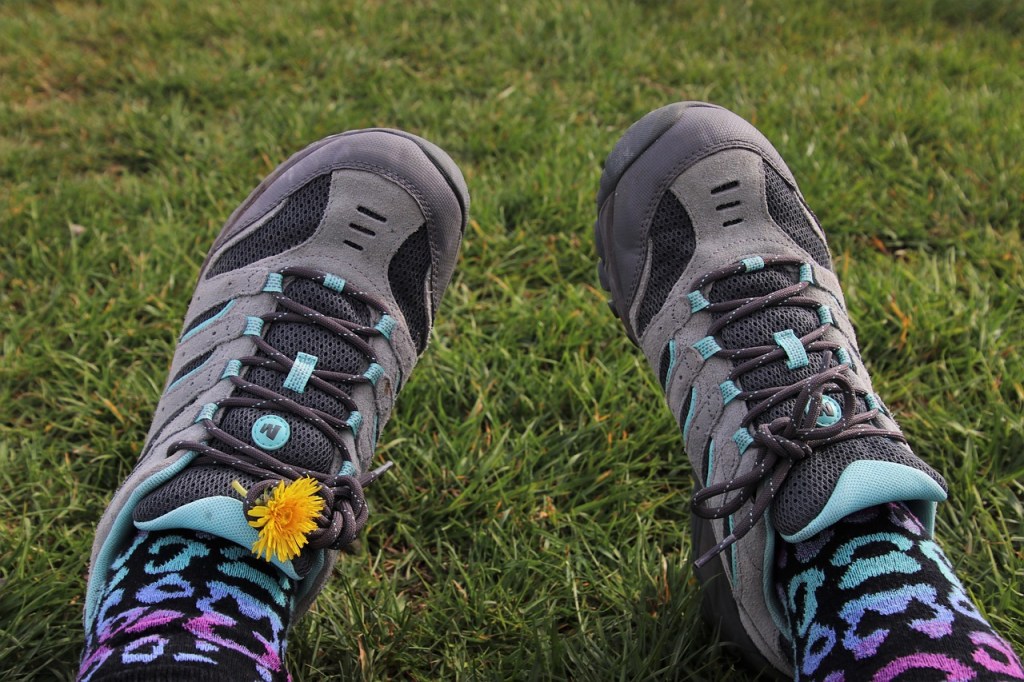
As a lightweight backpacker, you appreciate the value of keeping your gear and equipment simple to improve your outdoor experience. However, blisters can rapidly ruin your adventure. Blisters can ruin an otherwise enjoyable walk.
But do not be afraid! In this definitive guide, we’ll go over the finest methods and tips for avoiding blisters on your lightweight backpacking excursion. We have you covered, from selecting the correct footwear to keeping your feet dry and comfy. So let’s lace up our boots and tackle the trails!
Section 1: Understanding Blisters and Their Causes.
Anatomy of a Blister
Blisters are fluid-filled sacs formed on the skin as a result of friction, heat, or moisture. When hiking, the frequent movement and pressure can cause friction between your feet and your footwear, resulting in blister formation. Furthermore, sweaty or wet feet can exacerbate the condition since moisture softens the skin, making it more prone to friction.
The Importance Of Prevention
Blister prevention is critical for a happy lightweight backpacking trip. Blisters can be extremely painful, making every step a challenge. By taking preventive measures, you can dramatically lower your chances of developing blisters and have a more comfortable journey.
Section 2: Selecting the Right Footwear
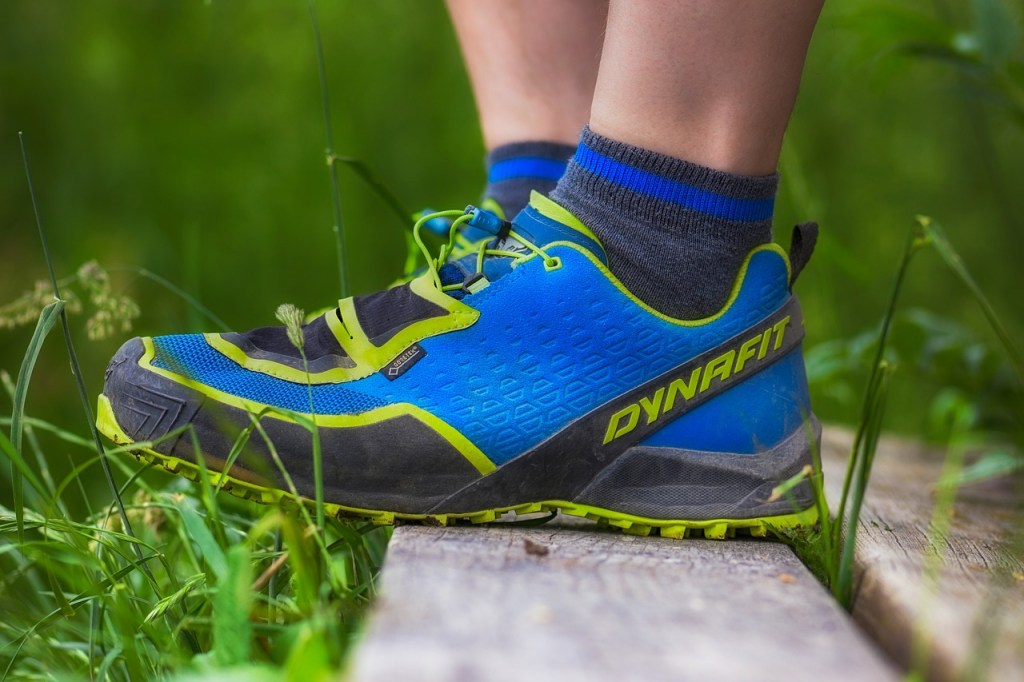
Your footwear selection is critical to avoiding blisters on your lightweight backpacking excursion. Here is what you should consider:
Finding the Perfect Fit
The first step in preventing blisters is to find well-fitting hiking shoes or boots. Ill-fitting footwear can cause friction hotspots, resulting in blisters. Visit a reputable outdoor store with skilled staff who can help you choose the best size and fit for your foot. Remember to try on several brands and models to discover the one that best fits you.
Breathability versus Waterproofing
Choosing between breathability and waterproofing is a difficult issue. Waterproof boots may keep your feet dry in damp weather, but they can retain moisture and increase the risk of blisters. Breathable shoes, on the other hand, promote air circulation, which reduces sweat and moisture build-up. Consider the weather and terrain you’ll be hiking in before making a decision.
Breaking In Your Footwear
To avoid blisters, break in your boots before beginning on your lightweight backpacking excursion. Wear your shoes or boots on shorter hikes or walks to allow them to mould to the contour of your foot and soften any stiff spots. This will reduce friction and pain throughout the real trip.
Section 3: Sock Selection and Care.
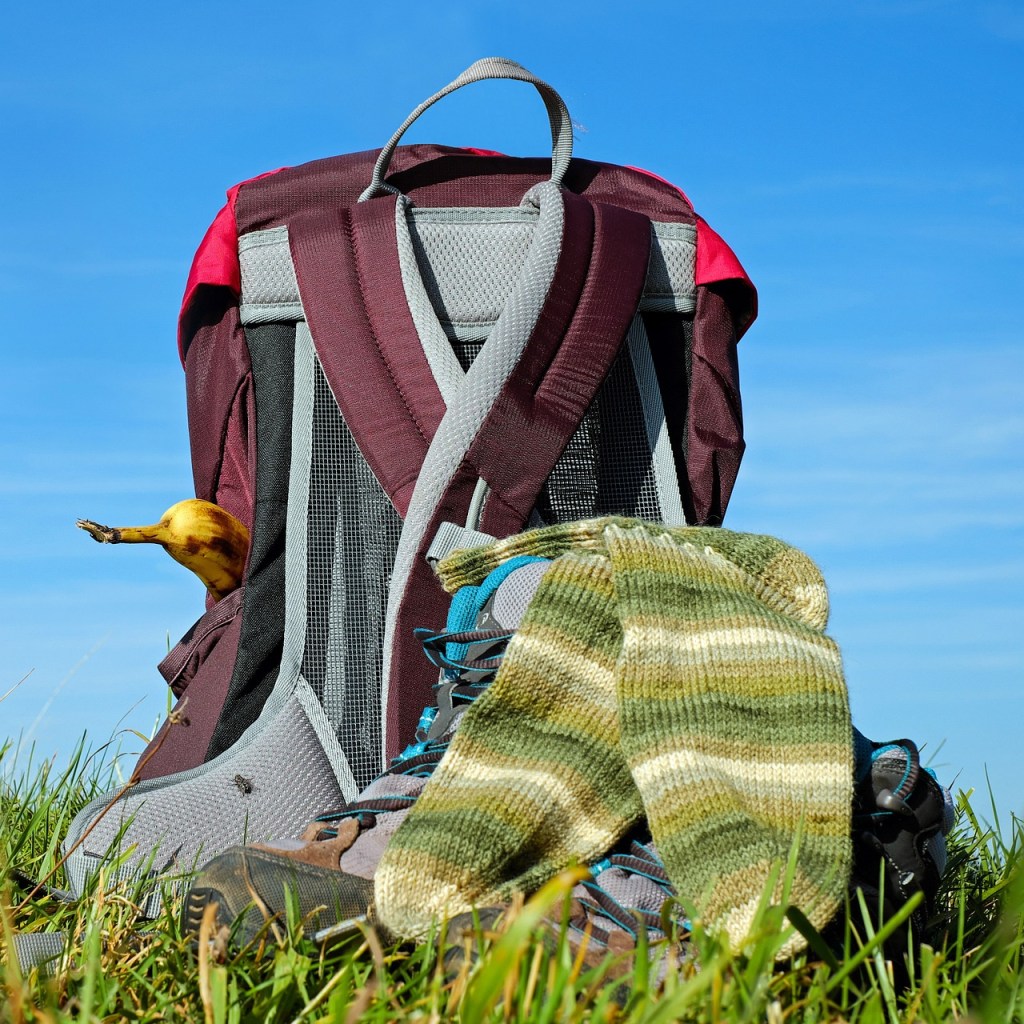
Choosing the right socks and taking care of them can make a huge difference in preventing blisters. Here’s what you should know.
Choose moisture-wicking materials.
Moisture-wicking socks, such as those made of merino wool or synthetic blends, are ideal for preventing blisters. These materials help to transport moisture away from your skin, keeping your feet dry and lowering the likelihood of friction and blister formation. Wearing cotton socks is not recommended since they retain moisture and create friction.
Consider liner socks.
Liner socks can give another layer of protection against blisters. These thin socks are worn below standard hiking socks to prevent friction between your feet and your footwear. Some hikers swear by silk liner socks for additional blister prevention. Experiment with various combinations to determine what works best for you.
Change your socks on a regular basis.
Changing your socks on a frequent basis is vital throughout your lightweight backpacking excursion, especially if your feet grow sweaty or damp. Carrying additional pairs of socks allows you to replace them as needed, keeping your feet dry and reducing the chance of blisters. Take breaks during your walk to let your feet breathe.
Section 4: Keeping Dry and Healthy Feet
Keeping your feet dry and healthy is essential for avoiding blisters. Here are some tips to help you accomplish this:
Take breaks and dry your feet.
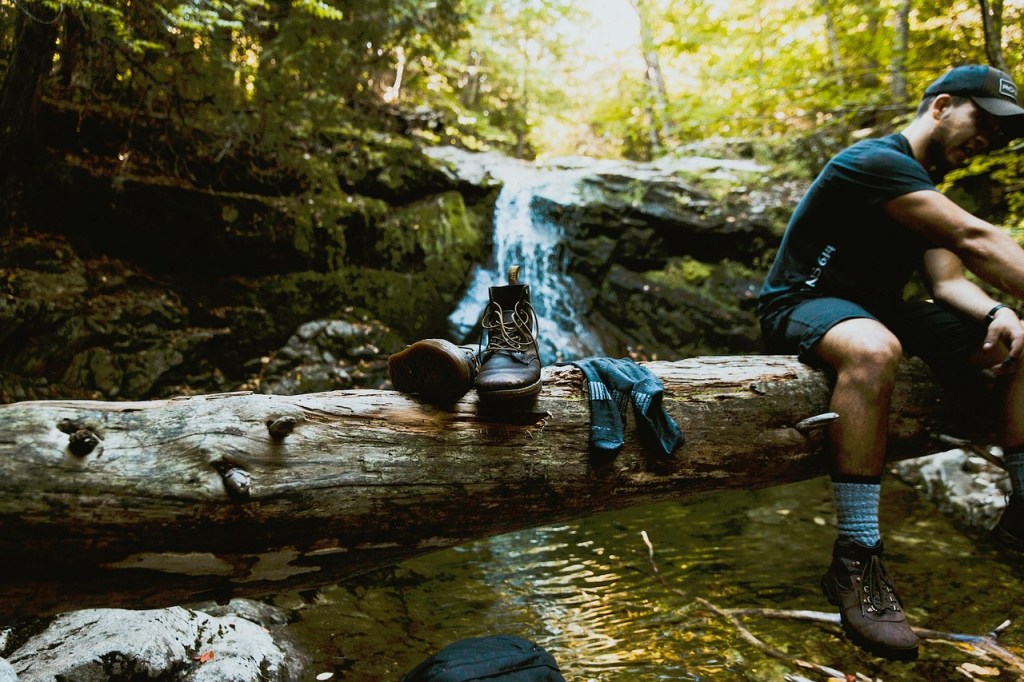
When you take a break during your journey, remove your boots and socks and allow your feet to dry. This helps to reduce moisture and heat, two major contributors to blister formation. Dip your feet in a cool stream or lake to cool them off, then completely dry them before putting on new socks and boots.
Use moisture-wicking foot powder.
Using moisture-wicking foot powder or talcum powder on your feet before putting on socks can help absorb excess moisture and prevent friction. This can be especially useful on lengthy hikes or in hot and humid situations. Look for foot powders that are specifically intended for hikers to ensure maximum efficacy.
Keep your feet clean.
Maintaining good foot care is critical for blister prevention. Wash your feet on a regular basis with mild soap and warm water, paying specific attention to sweat-prone areas. Dry your feet thoroughly, especially between the toes, since excess moisture can lead to blister formation. Applying a foot moisturiser can also help keep your skin healthy.
Section 5: Hiking Techniques for Preventing Blisters
In addition to correct footwear and foot care, using specific hiking methods might help prevent blisters. Here are some ways to consider.
Use proper lacing techniques.
Lacing your boots correctly helps reduce pressure points and the danger of blisters. Experiment with various lacing techniques, such as the heel lock or surgeon’s knot, to see which works best for your foot. Properly laced boots give a solid fit and limit movement, preventing friction and blister formation.
Take advantage of rest stops.
Take frequent breaks and remove your boots and socks during rest periods to allow your feet to breathe and dry. Elevate your feet, if feasible, to decrease edoema and enhance circulation. Use this time to inspect your feet for blisters and treat them as soon as possible.
Adjust your pace and stride.
Consider changing your hiking speed and stride to reduce friction and pressure on your feet. Strive for a comfortable and constant speed that avoids undue rubbing. Shortening your stride on steep descents can assist reduce the impact on your feet and lower your risk of blisters.
Section 6: Treatment of Blisters on the Trail
Despite your best efforts, blisters may still emerge. Knowing how to handle them on the trail is critical for reducing discomfort and avoiding complications. Here is what you should do:
Clean and disinfect.
Use an antiseptic wipe or light soap and water to clean the blister and its surrounding region. Avoid popping the blister unless absolutely essential, as this increases the risk of infection. If the blister has already ruptured, gently cleanse the area and apply antibiotic ointment.
Protect and cushion.
Cover the blister with a sterile adhesive bandage or blister pad to prevent further friction and irritation. These cushions provide cushioning and reduce pressure on the blister. Make sure the pad is tightly fastened to keep it from shifting during your walk.
Check for Infection.
Keep an eye on the blister for any indications of infection, such as increasing redness, swelling, or pus. If you encounter these symptoms, seek medical attention right once. Infections can spread quickly, especially in remote areas with limited access to medical treatment.
Section 7: Additional Tips for Blister Prevention.
In addition to the tactics listed above, here are a few more recommendations to help you avoid blisters during your lightweight backpacking adventure:
Wear protective tape or moleskin.
Applying protective tape or moleskin to areas prone to blister formation might add another layer of protection. These sticky compounds serve to reduce friction and cushion the skin, lowering the risk of blister development. Experiment with several types of tape and moleskin to see which works best for you.
Strengthen your feet.
Engaging in foot-strengthening activities before to your vacation can assist prepare your feet for the demands of trekking. Simple exercises like toe curls, foot stretches, and calf lifts can help increase foot strength and stability, lowering the risk of blisters. Add these workouts to your normal training routine.
Pack a blister first aid kit.
Carrying a compact blister first aid kit in your backpack guarantees that you have the supplies needed to treat blisters quickly. Include things like sticky bandages, blister pads, antiseptic wipes, and a small set of scissors. Having these supplies readily available can make a major difference in blister management on the trail.
Section 8: Selecting the Right Lightweight Backpacking Gear
Beyond footwear and foot care, picking the correct lightweight hiking gear can help prevent blisters. Here are some considerations:
Opt for lightweight backpacks.
Using a lightweight rucksack can relieve stress on your shoulders and back, reducing unneeded pressure on your feet. Look for backpacks created expressly for lightweight hiking, as they are frequently more ergonomic and equally distribute weight.
Consider Trekking poles
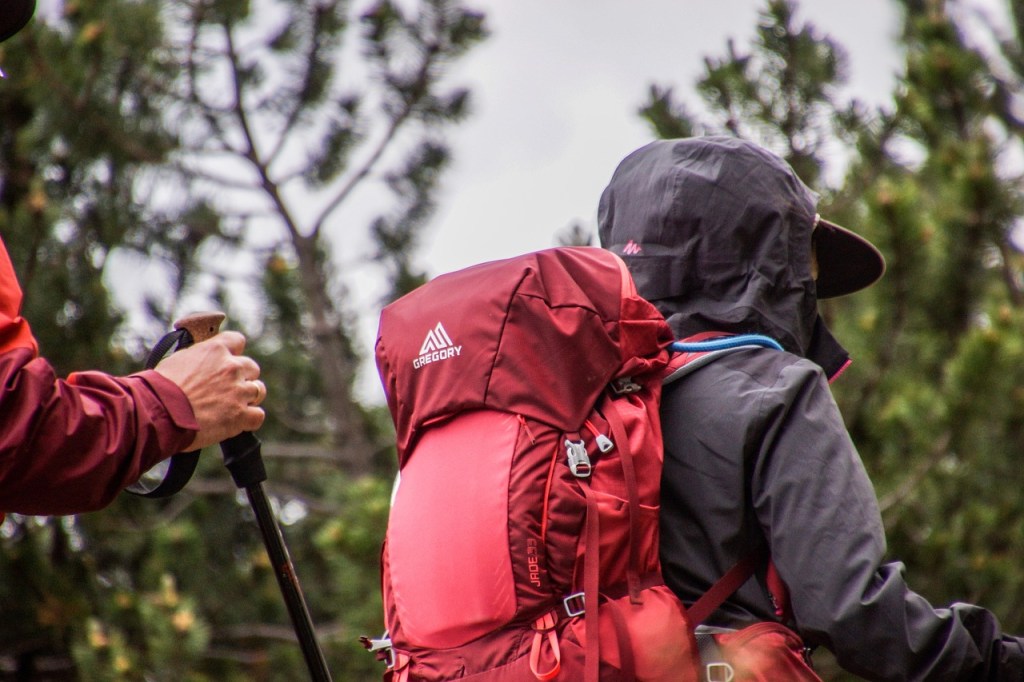
Trekking poles can give stability and support, relieving pressure on your feet and ankles. Trekking poles can assist relieve foot pressure and reduce the risk of blister formation by transferring some of the load to your upper body. Before your journey, practise using trekking poles to verify your comfort and skill.
Ensure proper weight distribution.
Properly spreading the weight in your rucksack can help to relieve needless pressure on your feet. Pack larger objects closer to your back, then secure the weight with the backpack’s interior compartments and compression straps. Maintaining adequate weight distribution helps lessen tension on your feet and prevent blister formation.
Section 9: Enjoying Your Lightweight Backpacking Adventure
With all of the safety precautions in place, it’s time to hit the trail and enjoy your lightweight backpacking journey! Remember to listen to your body and take pauses as needed. Stay hydrated, walk at a leisurely pace, and enjoy the natural beauty of the surroundings. By taking care of your feet and avoiding blisters, you may fully enjoy the benefits of lightweight hiking.
Section 10: Final Thoughts
Avoiding blisters on a lightweight backpacking trip is critical for a comfortable and enjoyable experience. By selecting the appropriate footwear, socks, and clothing, as well as applying preventive measures, you can reduce the chance of blisters while enjoying the beauty of the route. Remember to pack a blister first aid kit and be prepared to treat blisters as soon as they appear. With these suggestions in mind, you’re ready to embark on your blister-free adventure into the countryside. Happy trekking!
Disclaimer: This article is provided for informative purposes only and should not be considered medical advice. If you have any special medical concerns or conditions, please see a healthcare practitioner before participating in any outside activities.

 Lightpacker