
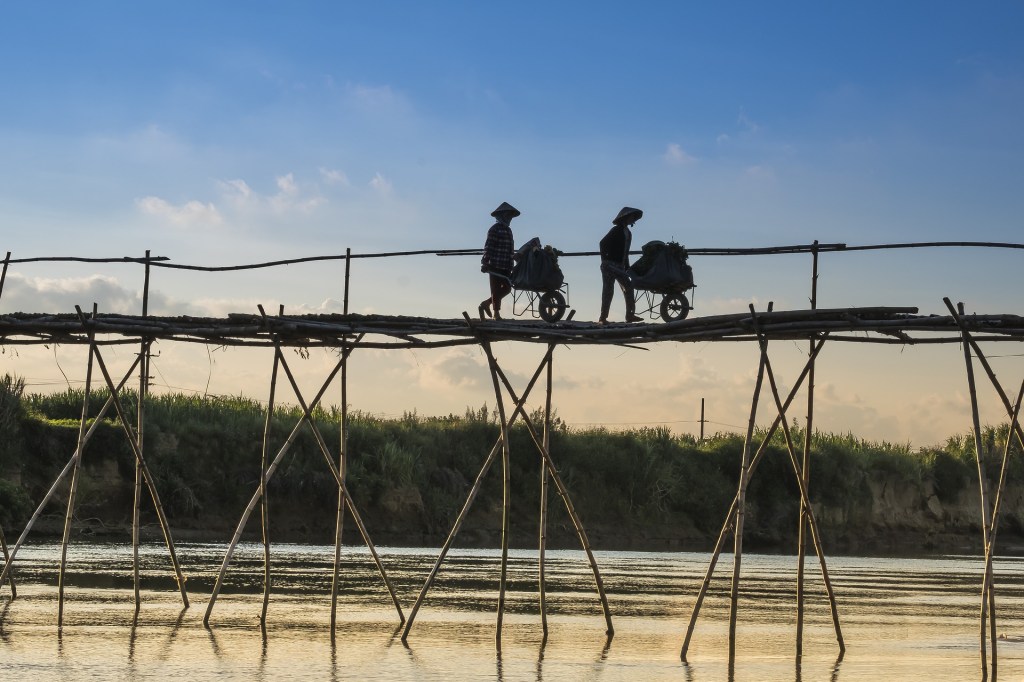
Embarking on a backpacking Southeast Asia journey offers an exhilarating mix of diverse cultures, spectacular landscapes, and unforgettable experiences. Whether you’re drawn by the bustling streets of Bangkok, the serene beaches of Indonesia, or the historic Angkor Wat in Cambodia, this region has something special for every traveller. For many, the allure of Asia backpacking lies in its affordability, safety, and the vibrant backpacker community, making it an ideal starting point for those new to the nomadic lifestyle or seasoned adventurers seeking off-the-beaten-path experiences.
As you prepare for this adventure, embracing the concept of lightweight backpacking can enhance your journey, allowing you to travel with ease, avoid hefty baggage fees, and immerse yourself deeper into the local way of life. This guide is designed to help you navigate through essential considerations such as selecting the right backpack, choosing the best clothes and shoes for backpacking Southeast Asia, ensuring you have the necessary tech gear, and understanding the cost of backpacking Southeast Asia. Additionally, we’ll touch on cultural sensitivities, safety essentials, and how to travel sustainably, making your trip not just a passage through countries but an insightful expedition into the heart of Southeast Asia.
Choosing the Right Backpack
Selecting the ideal backpack for your ultralight backpacking adventure in Southeast Asia is crucial. It’s not just about the aesthetics or the number of pockets; it’s about functionality, comfort, and, most importantly, the size. Let’s dive into how to choose the right backpack, focusing on size categories and the importance of design and weight.
Size Matters: Finding Your Perfect Backpack Fit
When it comes to backpacking Southeast Asia, size does matter. A too-large backpack can become cumbersome, making you more of a pack mule than an agile traveller. Conversely, a too-small backpack might force you to leave behind essentials or accumulate extra bags, contributing to waste. Based on experiences and recommendations, backpacks are best categorised into four size ranges:
- 25-30 litres: Ideal for short city breaks or minimalist travellers who can pack light.
- 40-46 litres: The sweet spot for most backpackers, offering ample space without being too bulky. It’s perfect for month-long adventures or even longer, provided you pack smartly.
- 50-60 litres: Suited for those venturing across varied climates, needing extra room for clothing and gear.
- More than 65 litres: Generally, these are overkill for typical backpacking and are better suited for backcountry hiking or high-altitude treks.
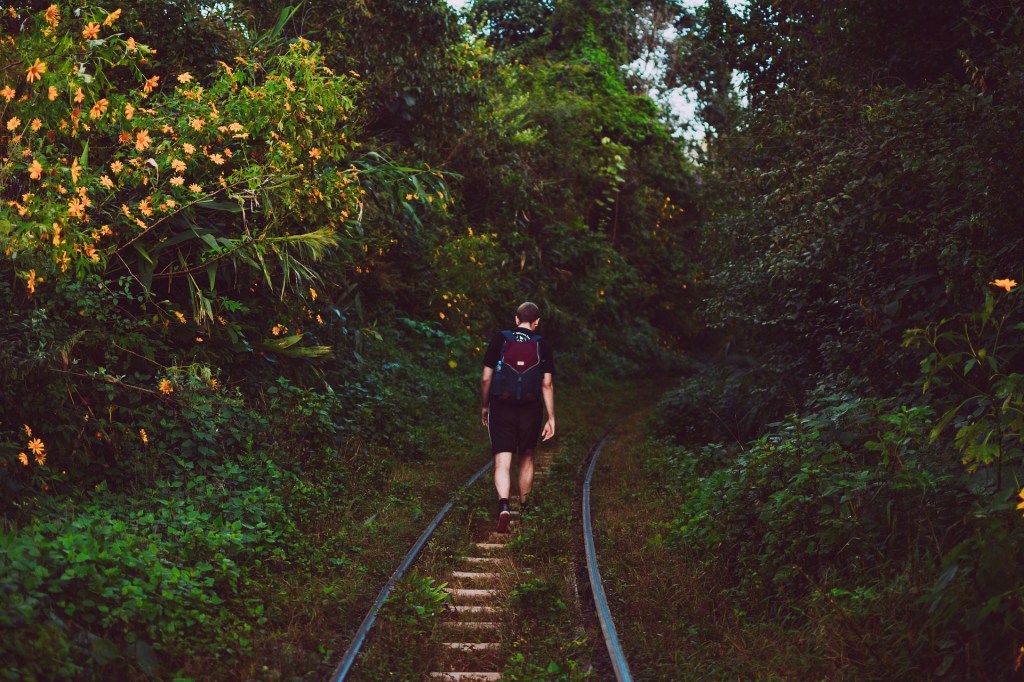
The Role of Design and Weight in Your Backpack Choice
The design of an ultralight backpack plays a significant role in its practicality and efficiency. Opting for a bag that eliminates unnecessary features can make your travel experience smoother. Consider the following when choosing your backpack:
- Volume and Weight: The most important factors. An ultralight backpack should offer enough space for your essentials while being light enough to carry comfortably.
- Design Preferences: Whether you prefer a top-loading or front-opening backpack, choose one that suits your packing style and provides easy access to your belongings.
- Material and Durability: Look for backpacks made from robust materials like nylon, which offer flexibility and durability without adding unnecessary weight.
Personal Experiences and Recommendations
Many seasoned backpackers have found their perfect match in backpacks like the Osprey Porter 46 litre or the Osprey Farpoint 40. These models strike an excellent balance between size, comfort, and functionality. They are large enough to fit all essentials using packing cubes, making re-packing a breeze, yet small enough to qualify as carry-on luggage, saving you from extra baggage fees and waiting times at airports.
Moreover, the Osprey Farpoint 40 has been praised for its practical design, including a somewhat controversial outermost laptop compartment. Despite initial reservations, users have found it to work well in practice, highlighting the importance of personal experience in backpack selection.
Conclusion
Choosing the right backpack for backpacking Southeast Asia is a decision that can significantly impact your travel experience. By considering the size, design, and weight of the backpack, along with personal preferences and recommendations, you can find a backpack that not only meets your needs but also enhances your adventure. Remember, the best backpack is one that you don’t have to think about once you’re on the move, allowing you to fully immerse yourself in the vibrant cultures and breathtaking landscapes of Southeast Asia.
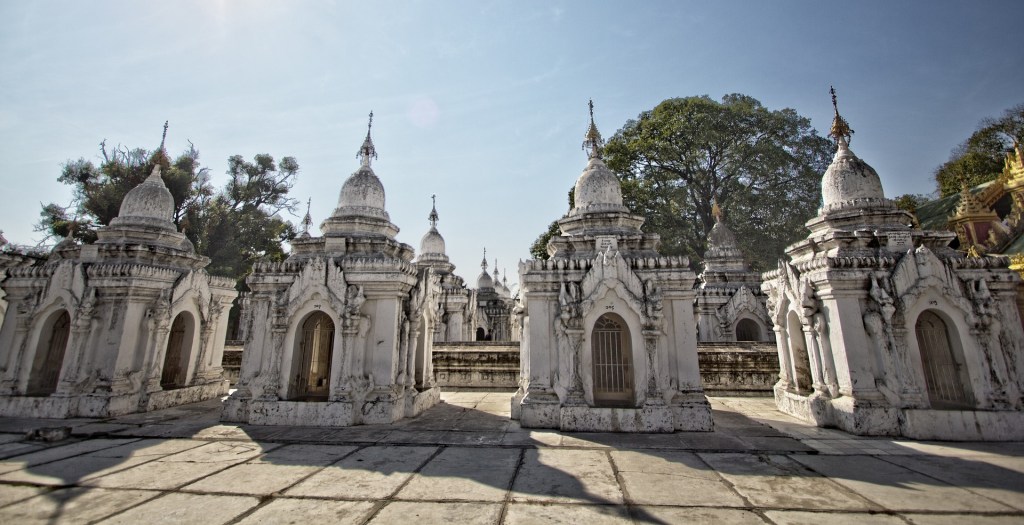
Essential Clothing for Ultralight Backpacking
When embarking on a backpacking Southeast Asia journey, selecting the right clothing is as crucial as choosing the right backpack. The region’s climate, cultural norms, and your planned activities all play a significant role in determining what to pack. Here’s a comprehensive guide to help you choose essential clothing for ultralight backpacking in Southeast Asia, ensuring comfort, respect for local customs, and versatility.
T-Shirts and Tops
- Quantity and Type: Aim for about 5 t-shirts. Choose ones that are not too tight to keep you comfortable in the hot and humid weather. Avoid vests as they are not suitable for temple visits and can lead to sunburnt shoulders.
- Material: Opt for lightweight and breathable materials. These not only help in keeping you cool but also take up less space and dry quickly.
- Style Tips: Packing tops in neutral colours and simple patterns can maximise outfit combinations, making each piece versatile.
Long-Sleeve Layers and Jackets
- Base Layer: A long-sleeve base layer is invaluable. It protects against sunburn and serves as an extra layer in cooler areas. Choose one that is light and can be compacted easily.
- Waterproof Jacket: Southeast Asia’s weather can be unpredictable, with sudden heavy rains. A good quality, lightweight waterproof jacket is essential. It doubles as a windbreaker for bike tours or hikes.
Bottoms
- Shorts and Trousers: Pack 4-5 pairs of lightweight shorts and 2-3 pairs of light trousers. Flowy shorts and breathable trousers are recommended for comfort and ease of packing.
- Skirts and Dresses: Include 3-4 skirts of varying lengths and a couple of dresses or playsuits for versatility and ease during travel.
Swimwear and Undergarments
- Swimwear: Given the region’s beautiful beaches and pools, pack multiple bikinis or swimsuits. They occupy minimal space and are a staple for Southeast Asia.
- Underwear: Take enough to last you at least two weeks. They are small and take up negligible space. Include a variety of socks, especially technical ones for hiking.
Accessories and Miscellaneous
- Footwear: Pack a pair of running shoes, a pair of comfortable flip-flops, and a pair of cute sandals. This combination should cover most activities and terrains.
- Hats and Sunglasses: Essential for sun protection. Pack 1-2 hats and a pair of durable sunglasses.
- Scarves: A lightweight scarf can be a versatile accessory, useful for covering shoulders in temples or as a chic addition to your outfit.
Packing Tips
- Packing Cubes: Utilise packing cubes to organise your clothing by category. This not only saves space but also makes it easier to find what you need.
- Laundry: Southeast Asia has affordable laundry services, allowing you to pack less and wash more frequently.
- Shopping Locally: Leave room in your backpack for clothing purchases during your trip. Local markets offer inexpensive and culturally appropriate options that are well-suited for the climate.
By following these guidelines, you can ensure that your backpacking Southeast Asia wardrobe is practical, respectful of local cultures, and adaptable to various activities and weather conditions. Remember, the key to ultralight backpacking is to pack smart, not necessarily less.
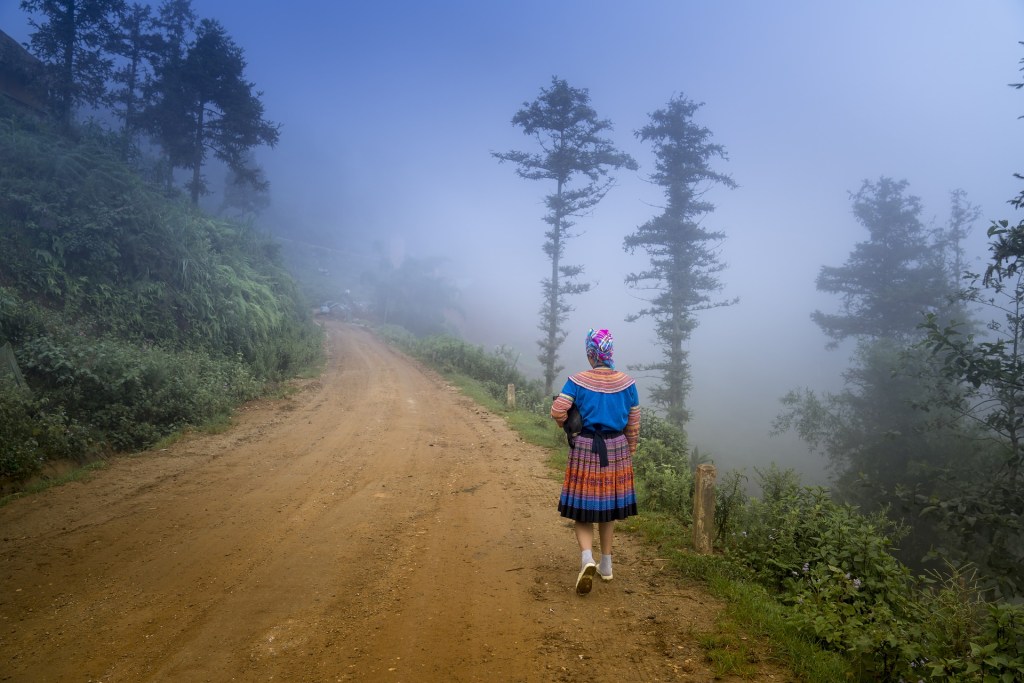
Footwear: Balancing Comfort and Practicality
When planning your backpacking trip through Southeast Asia, the importance of selecting the right footwear cannot be overstated. Comfort and practicality should be at the forefront of your mind, given the variety of terrains and activities you’ll encounter. From bustling city streets to serene beaches and rugged trails, the right shoes can significantly enhance your travel experience. Here’s how to balance comfort and practicality with your footwear choices:
The Necessity of Versatile Travel Shoes
A common oversight among backpackers is neglecting the importance of packing a good pair of travel shoes. It’s easy to default to whatever is readily available, but this can lead to discomfort such as joint pain or achy arches. The ideal travel shoes are practical, versatile, and multi-use, catering to the dynamic needs of backpackers. Whether you’re exploring ancient temples, trekking through rainforests, or navigating the urban sprawl, your footwear should be up to the task.
Flip-Flops: A Staple with Limitations
In Southeast Asia, flip-flops are the default choice for many, thanks to the region’s warm climate and customs that require shoes to be removed before entering homes, temples, and some businesses. While flip-flops offer convenience and comfort in hot weather, they lack protection and support for more adventurous activities. If flip-flops are part of your packing list, consider investing in a pair that is lightweight, comfortable, and water-resistant. However, for activities beyond beach lounging and casual strolls, additional footwear options are necessary.
Choosing Sandals and Hiking Shoes
For those planning light trekking or outdoor adventures, lightweight hiking sandals with good traction are a practical choice. They provide more protection than flip-flops while still being suitable for tropical climates. Brands like Keen offer models such as the Clearwater CNX sandal, which are ideal for wet and slick environments. However, for serious hiking or jungle treks, a proper hiking boot with toe protection and waterproofing is essential. These should be lightweight and offer good ankle support without taking up too much space in your luggage.
Urban Exploration and Active Excursions
When exploring cities or engaging in activities like biking, a basic pair of closed-toe shoes is advisable. Look for options that are lightweight, breathable, and stylish enough to transition from day to night. Shoes that can be easily slipped on and off are particularly practical in Asia, where removing footwear is often required. Converse, Keds, or Toms are excellent choices for urban adventures, offering comfort without compromising on style.
Packing Tips for Footwear
Remember, the goal is to pack smart, not necessarily to pack light. Selecting a few versatile pairs of shoes that cover a range of activities is better than overpacking. Consider your itinerary and the types of activities you’ll be engaging in to determine the best footwear options. For convenience, wear your bulkiest shoes during transit to save space in your backpack.
By carefully selecting your footwear for backpacking Southeast Asia, you can ensure a balance of comfort and practicality. This approach allows you to fully enjoy the diverse experiences the region has to offer, from its stunning landscapes to its vibrant cultures, without being held back by unsuitable or uncomfortable shoes.
Packing Light: Toiletries and Hygiene
When backpacking Southeast Asia, managing your toiletries and hygiene essentials effectively is crucial for comfort and health. Here’s a streamlined approach to packing light while ensuring you have everything necessary for your travels.
Essential Toiletries for Minimalist Travelers
- Toothbrush and Toothpaste: Opt for a travel-sized toothbrush and a small tube of toothpaste. Consider a toothbrush cover to maintain hygiene.
- Soap and Shampoo: A shampoo bar is an excellent space-saving alternative to liquid shampoos and is less likely to leak. Pair this with a small, biodegradable soap bar that can also be used for laundry.
- Deodorant: Choose a small, travel-sized deodorant. Consider natural or plastic-free options to reduce environmental impact.
- Razor and Hair Removal Tools: Pack a travel-sized razor. If you’re traveling for an extended period, consider options like wax strips which last longer and save space.
- Menstrual Products: For those who need them, menstrual cups are an ideal choice as they are reusable and occupy minimal space.
Health and Medication
- Basic Medications: Include travel-sized packs of essential medications like Tylenol for pain relief and Pepto Bismol for stomach upsets.
- First Aid Kit: A compact first aid kit should include band-aids, antiseptic wipes, and any personal medications.
- Sunscreen and Insect Repellent: Opt for a minimum SPF 30 sunscreen and an insect repellent containing DEET for protection against mosquitoes.
Hygiene Accessories
- Nail Clippers and Tweezers: These are essential for personal grooming and should be compact for travel.
- Comb or Hairbrush: A small, lightweight comb or folding brush can manage hair without taking up much space.
- Toilet Paper and Wet Wipes: Pack a small roll of toilet paper and biodegradable wet wipes for areas where these might not be readily available.
Packing and Storage Tips
- Use Multi-Functional Items: Products like biodegradable soap can be used for bathing, shaving, and washing clothes.
- Decant Liquids: Transfer liquids into small, leak-proof bottles to save space and meet airline regulations for carry-on luggage.
- Organise with Small Bags: Use separate small bags or packing cubes for different categories of toiletries to keep your backpack organised and items easily accessible.
By following these guidelines, you can ensure that you pack effectively for your backpacking adventure in Southeast Asia, maintaining hygiene and comfort without overburdening your backpack.
Tech Gear and Gadgets
When embarking on your ultralight backpacking journey through Southeast Asia, the right tech gear and gadgets can significantly enhance your travel experience, ensuring you stay connected, capture memories, and handle unexpected situations with ease. Here’s a guide to the essential tech items to consider packing.
Essential Communication and Reading Devices
- Smartphone and Charger: A good quality smartphone is indispensable for navigation, communication, and photography. Ensure it’s unlocked so you can buy a local SIM card in each country, which is often more cost-effective than roaming charges.
- Kindle or E-Reader: Long bus, train, and boat rides are common in Southeast Asia. An e-reader loaded with books can be a lifesaver. Models like the Kindle Paperwhite are lightweight and can store thousands of books.
Computing and Work Essentials
- Laptop and Charger: If your trip involves remote work or frequent blogging, a lightweight laptop like the MacBook Air or a compact Windows netbook is valuable.
- Universal Travel Adaptor: With varying plug types across countries, a universal travel adaptor is essential to keep all your devices charged.
Photography and Videography Gear
- Compact Camera or Action Cam: For those keen on photography, a durable and compact camera like a GoPro is perfect for capturing adventures in extreme environments without the bulk of a DSLR.
- Portable Tripod and Joby Pod: These are excellent for travellers who want to capture stable and professional-grade photos and videos.
Power Solutions and Storage
- Portable Power Packs: Essential for long travel days without access to power. They’re invaluable for keeping your devices charged on-the-go.
- Cloud Storage and Backup Devices: Set up cloud storage like Dropbox for easy access and backup. Additionally, carry a portable hard drive or pen drives for physical backups.
Additional Useful Gadgets
- Water Purifier: A portable water purifier is a great investment, reducing your plastic footprint and ensuring you have access to safe drinking water.
- Multi-Cable Charger: A charger with multiple cable ends can save space and hassle, allowing you to charge various devices without carrying extra cables.
- Noise-Cancelling Headphones: Ideal for long flights or bus rides, these headphones help block out ambient noise, allowing for a more peaceful journey.
By packing these essential tech gadgets, you can ensure a smoother and more enjoyable backpacking experience in Southeast Asia. Keep your gadgets to a minimum to maintain the spirit of ultralight backpacking, focusing on multi-use and compact items that serve more than one purpose or enhance your travel convenience significantly.
Managing Your Money and Important Documents
When backpacking through Southeast Asia, managing your money and important documents effectively is paramount for a hassle-free journey. Here are some practical steps and tips to ensure your finances and documents remain secure throughout your travels.
Keep Your Money Safe
- Diversify Your Money Storage: Avoid keeping all your money in one place. Use a combination of a daypack, a small cross-over shoulder bag, and your main backpack to distribute your cash. Keep the largest amount of cash on your person, ideally in a secure money belt or a hidden pocket.
- Use Security Features on Bags: Simple security measures like locking the zippers of your bags with key clips or padlocks can deter thieves. In crowded places or during transit, these small steps can make a big difference.
- Carry Minimal Cash in Accessible Areas: Keep a small amount of money, such as $5 USD equivalent, in an easily accessible spot for small purchases. This reduces the risk of exposing a large sum of cash in public.
Manage Cards and Bank Accounts
- Variety of Bank Cards: Carry different types of bank cards (Visa, Mastercard, Maestro) and store them separately to mitigate the risk of losing access to all your funds if one is stolen.
- Inform Your Bank: Before departing, notify your bank of your travel plans to avoid any freezing of your accounts due to foreign transactions.
- Daily Withdrawal Limits: Set a daily withdrawal limit to prevent significant losses in case of card theft.
Handling Important Documents
- Multiple Copies of Key Documents: Make several colour copies of your passport and keep them in different locations. Carry a copy with you and leave the original in a secure place like a hotel safe.
- Digital Copies: Store digital copies of important documents in your email or a secure cloud service. This includes your passport, visa, insurance details, and emergency contacts.
- Secure Storage: Use a travel document organiser to keep all your important papers in one place. Consider using a portable safe or a security pouch that can be locked and attached to a stationary object in your accommodation.
Practical Tips for On-the-Go Security
- Low Profile: Dress modestly without flashy jewellery or designer gear to avoid drawing attention. The less you display, the less likely you are to be a target for theft.
- Emergency Preparedness: Keep emergency cash and a backup credit card in a separate location from your wallet. This could be in a hidden compartment in your luggage or a separate money belt.
- Regular Monitoring: Regularly check your bank statements and account activity through secure internet connections. Use trusted Wi-Fi networks or consider using a VPN for added security.
By following these guidelines, you can minimise financial risks and keep your important documents safe, letting you focus more on enjoying your backpacking adventure through Southeast Asia.
Cultural Sensitivities and Appropriate Attire
When backpacking through Southeast Asia, understanding and respecting local customs and dress codes is crucial for a harmonious visit. Here’s a detailed guide to help you navigate cultural sensitivities and ensure your attire is appropriate for various settings.
Understanding Cultural Sensitivities
- Respect Local Traditions: Recognise that the customs and traditions in Southeast Asia are deeply rooted and may differ significantly from your own. Engaging with local traditions respectfully can enhance your understanding and appreciation of the region’s cultural diversity.
- Awareness of Backpacker Culture: Be mindful that the backpacker culture often differs from local norms. Avoid imposing your own cultural habits on local communities and strive to observe and learn from the authentic local lifestyle.
- Bargaining Etiquette: While bargaining is common in many Southeast Asian markets, it’s important to do so respectfully and not aggressively. Understanding that small amounts of money might mean more to the seller than to you can guide more ethical interactions.
Appropriate Attire Guidelines
General Guidelines
- Dress Conservatively: In many parts of Southeast Asia, modest dressing is appreciated. This includes covering shoulders and knees, especially when visiting rural areas or religious sites.
- Temple Etiquette: Always remove your shoes before entering a temple. It’s also respectful to wear clothes that cover your shoulders and knees. Carrying a sarong or a scarf can be handy for impromptu visits to religious places.
- Understanding ‘Face’: In Southeast Asian culture, maintaining dignity and respect in interactions (‘saving face’) is crucial. Dressing appropriately plays a part in this, as it shows respect towards local norms and customs.
Specific Cultural Norms and Attire Tips by Country
- Thailand and Vietnam: These countries are more accustomed to tourists, and local women may wear sleeveless tops and shorts, especially in urban areas. However, conservative dress is still expected in religious sites and rural areas.
- Laos and Cambodia: These countries are generally more conservative. Avoid bikinis or revealing clothes unless you are at a beach or a pool.
- Malaysia (Muslim Areas): Dress conservatively, particularly in Muslim-majority areas. Women should cover their heads and bodies when entering mosques.
- India: Cover your legs at least till the knees and shoulders, particularly outside of tourist-friendly areas like Goa.
Footwear and Miscellaneous
- Footwear: It is common to remove shoes when entering someone’s home and often in guesthouses or homestays. Always observe if there’s a place for shoes at the entrance and follow suit.
- Head and Feet: Never touch anyone’s head, and avoid pointing your feet towards people or sacred objects, as these body parts are considered sacred and unclean, respectively.
By adhering to these cultural sensitivities and attire guidelines, you can ensure a respectful and enriching experience while backpacking through Southeast Asia. Always observe local customs and adjust your behavior and dress accordingly to foster positive interactions and avoid cultural faux pas.
Safety Essentials and Health Precautions
Preparing for Natural Disasters
Southeast Asia is equipped with improved infrastructure for natural disaster preparedness. To enhance your safety during such events, adhere to these guidelines:
- Local Alerts: Sign up for government alerts in areas prone to natural disasters.
- High Ground: In the event of flooding or tsunamis, move to higher ground immediately.
- Earthquake Safety: If indoors during an earthquake, take cover under a sturdy table and protect your head. Avoid buildings and other structures if outside.
- Wildfires and Volcanic Eruptions: Evacuate the area promptly if warnings are issued.
- Smoke Inhalation: In smoky conditions, cover your mouth and nose to avoid inhalation of harmful particles.
- Travel Insurance: Ensure you have comprehensive travel insurance that covers natural disasters, providing support for evacuation if necessary.
Health Precautions and Vaccinations
Maintaining your health while backpacking is crucial. Consider the following:
- Vaccinations: Consult with a healthcare provider about necessary vaccinations well before your travel. Common vaccinations for the region include Hepatitis A and B, Typhoid, and Japanese Encephalitis.
- Food and Water Safety: Avoid tap water and ensure any ice is factory-made. Opt for street food vendors with high customer turnover to guarantee freshness.
- Mosquito Protection: Use repellents containing DEET, or picaridin, wear long-sleeved clothing, and use mosquito nets where necessary to protect against diseases like Dengue and Malaria.
Personal Safety Measures
To minimise risks and ensure a safe travel experience, follow these tips:
- Secure Your Belongings: Use locks for your luggage and secure valuables in hostel lockers. Consider a portable security web for additional safety.
- Scam Awareness: Be cautious of common scams such as overcharged fares and fraudulent damage claims on rental equipment. Always use official channels for services.
- Traffic Safety: Exercise caution when navigating busy streets or driving scooters. Always wear a helmet and appropriate footwear.
- Avoiding Animal Bites: Steer clear of stray animals to prevent diseases like rabies. Do not feed or pet stray dogs or monkeys.
Emergency Preparedness
Being prepared for any emergency is essential:
- First Aid Kit: Carry a basic first aid kit including bandages, antiseptics, and pain relievers.
- Emergency Contacts: Keep a list of emergency contacts, including local emergency services, on your person and in your accommodation.
- Document Safety: Keep photocopies and digital copies of important documents like your passport and insurance details in separate locations from the originals.
By following these safety essentials and health precautions, you can enjoy a more secure and healthy backpacking experience in Southeast Asia. Remember, preparation is key to handling unexpected situations effectively.
Sustainable Travel Tips
Embrace Eco-Friendly Practices
To truly embrace sustainable travel in Southeast Asia, start by minimising your use of plastics. Invest in a reusable water bottle, metal straws, reusable tote bags, and bamboo utensils. These items are not only practical but also help reduce the significant plastic pollution found throughout the region. By carrying these items, you actively contribute to lessening the environmental impact during your travels.
Choose Sustainable Transportation
Opt for eco-friendly travel options to significantly reduce your carbon footprint. Avoid short-haul flights and instead, explore the beauty of Southeast Asia via long-distance trains or coach tours. For shorter distances, consider walking or cycling, which not only reduces emissions but also enhances your experience of the local landscape and culture. Utilise shared transport apps to connect with fellow travellers, cutting down your travel emissions collectively.
Support Local and Shop Responsibly
Engage with the community and economy by choosing to eat at local restaurants and purchasing goods from local artisans. This supports small businesses and ensures that the benefits of tourism are more evenly distributed. When shopping, especially for food, visit local markets which often offer fresher produce and less packaging than supermarkets. Remember to carry a reusable bag to further minimise plastic usage.
Conserve Resources
Be mindful of your resource consumption, particularly water and energy. Opt for accommodations that promote sustainability, such as those using renewable energy sources or those that implement water-saving practices. Take shorter showers, reuse towels, and turn off lights and air conditioning when not in use. These small actions collectively make a significant difference.
Participate in Conservation Efforts
If your travels take you near natural habitats or wildlife, look for opportunities to participate in conservation efforts. This could range from coral reef restoration projects to wildlife protection initiatives. By participating, you not only gain a deeper appreciation for the local ecosystem but also contribute to its preservation.
Respect and Learn from Local Cultures
Immerse yourself in the local culture and traditions with respect and openness. Learn a few phrases in the local language, understand and adhere to local customs, and dress appropriately, especially when visiting religious sites. This respectful approach enriches your travel experience and fosters positive interactions with local communities.
By following these sustainable travel tips, you not only enhance your experience but also ensure that the beautiful landscapes and rich cultures of Southeast Asia are preserved for future generations. Embrace these practices and become part of a more sustainable travel movement.
Conclusion
Throughout this guide, we’ve traversed the essentials of ultralight backpacking in Southeast Asia, from selecting the optimal backpack to navigating cultural sensitivities, ensuring your journey is both light on your shoulders and enriching for your soul. Key takeaways include the significance of packing a versatile wardrobe, maintaining a balance between comfort and practicality in your footwear choices, and the indispensable role of tech gear to augment your travel experience. Moreover, we delved into the importance of managing your finances and important documents securely, all the while embracing sustainable travel practices to tread lightly upon these beautiful lands.
The journey through Southeast Asia, when approached with mindfulness towards local customs and an eco-conscious attitude, becomes more than a mere exploration; it transforms into a deeply impactful experience, enriching both the traveller and the communities they visit. As you embark on this adventure, remember to pack not just for convenience but with a purpose, carrying with you an openness to embrace the myriad of experiences and lessons Southeast Asia has to offer. Let this guide be your compass, and may your journey be as fulfilling as the destinations you seek to explore.
FAQs
What essentials should I pack for a backpacking trip to Southeast Asia?
When preparing for a backpacking trip to Southeast Asia, consider packing items suited for its beautiful beaches and variable conditions. Key essentials include a beach towel, emergency cash, a dry bag, Imodium, charcoal tablets, motion sickness tablets, a sarong, and travel wash.
What are some effective strategies for packing lightly while backpacking?
To keep your backpack light, try the following strategies: Repackage food and personal care items to reduce bulk; choose a sleep system that offers sufficient insulation with minimal weight; use a tent that can be pitched with trekking or ski poles; carefully plan and ration water carrying; replace heavy water bottles with a collapsible bottle; and consider eating directly out of your cooking pot to save space.
What is the ideal backpack size for travelling around Southeast Asia?
For backpacking in Southeast Asia, a backpack size between 40 to 60 litres is recommended. It is advisable to avoid larger packs as they can become burdensome to carry, especially in the region’s hot and humid conditions.
What preparations are necessary before travelling to Southeast Asia?
Before travelling to Southeast Asia, it is crucial to get the recommended vaccinations to ensure health safety. The National Travel Health Network and Centre (NaTHNaC) and the World Health Organisation (WHO) advise travellers to get vaccinated for hepatitis A, hepatitis B, typhoid, cholera, yellow fever, Japanese encephalitis, rabies, tick-borne encephalitis, and polio.

 Lightpacker