
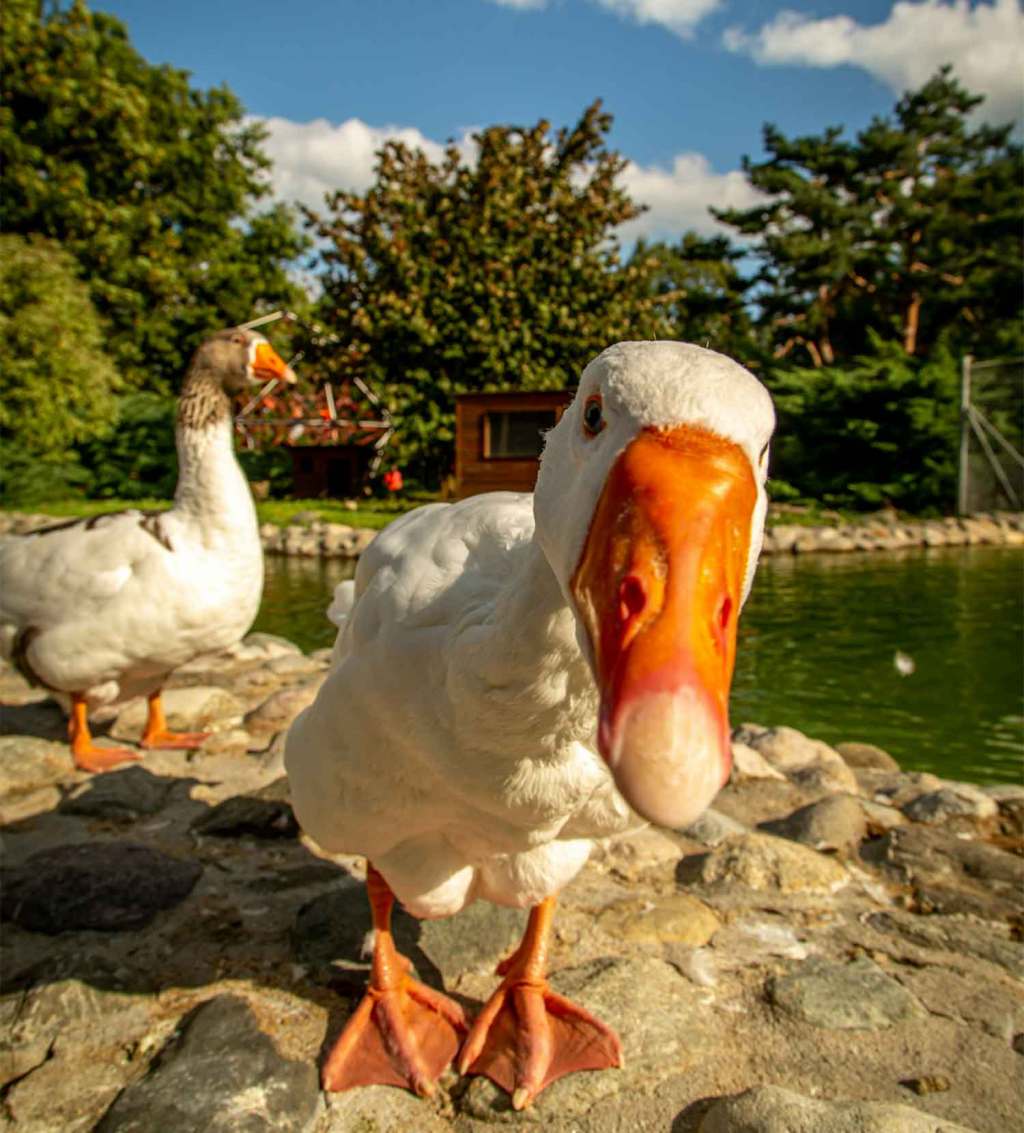
In recent years, the question of whether the goose down in your lightweight sleeping bags and outdoor clothing is ethical has become a pressing concern for many consumers. This scrutiny comes amidst growing awareness of animal welfare issues and the environmental impact of down processing within the outdoor industry. As adventurers and nature enthusiasts seek to minimise their carbon footprint and make ethical choices, the spotlight turns to the down supply chain—from the practices of down harvesting to the end product in your hands. Understanding the implications of these practices is not only crucial for making informed purchases but also for supporting sustainability and animal welfare in the broader context of outdoor gear.
The article will guide you through essential aspects such as understanding what constitutes ethical goose down, the ethical concerns associated with down production including force-feeding and live-plucking, and the standards set by the Responsible Down Standard (RDS). It will also explore viable alternatives to traditional down, such as synthetic insulation and down recycling, and how leading outdoor companies are adopting ethical practices. Furthermore, the importance of traceability and transparency in the down supply chain, the role of consumers in promoting ethical down, and future trends in ethical down sourcing will be discussed. This informative journey aims to empower you with knowledge, enabling you to make ethical choices that align with your values when selecting outdoor clothing and sleeping bags.
Understanding Ethical Down
Definition and Importance of Ethical Down
Ethical down refers to the feathers used in products like jackets and sleeping bags that are sourced in a way that ensures the humane treatment of waterfowl. This includes avoiding practices such as live-plucking and force-feeding, which are often associated with the production of foie gras. The significance of ethical down lies not only in its impact on animal welfare but also in its appeal to conscientious consumers who prioritise sustainability and ethical considerations in their purchasing decisions.
Challenges in Sourcing Ethical Down
- Verification of Ethical Practices: Ensuring that down is ethically sourced involves complex verification processes. The down supply chain must be transparent and traceable from the farm to the final product. This requires rigorous audits and compliance with standards such as the Responsible Down Standard (RDS) or the Global Traceable Down Standard (GTDS).
- Limited Availability of Ethically Sourced Down: The most ethically sourced down is often collected from nests or as a by-product of the meat industry, where birds are not specifically raised for their feathers. However, this method is not always feasible for large-scale production due to its time-consuming nature.
- Market Demand and Supply Issues: While there is a growing demand for ethically sourced down, the supply is still limited. This can lead to higher costs for consumers and challenges for manufacturers in maintaining a steady supply without compromising ethical standards.
- Consumer Awareness and Education: Many consumers are not fully aware of the issues surrounding down production. Increasing education about the ethical implications of down sourcing is crucial to shifting consumer behavior and encouraging more ethical practices industry-wide.
By addressing these challenges, companies can better meet the demands of ethical consumers and contribute to the overall welfare of animals involved in down production.
Ethical Concerns with Down Production
When you’re considering purchasing outdoor clothing and sleeping bags filled with goose down, it’s crucial to delve into the ethical concerns associated with down production. These concerns primarily revolve around the treatment of animals and the environmental impact of down farming. Understanding these issues can help you make more informed and ethical choices.
Live Plucking and Force Feeding
Live plucking and force-feeding are practices that have raised significant ethical concerns. Live plucking involves restraining geese and ducks while their feathers and down are torn out, often without any pain relief. This process can be repeated every five weeks, causing immense suffering to the animals. The injuries sustained from this practice, such as wing and leg fractures or wounds from feathers being torn out, are often carelessly dealt with and sewn shut without anaesthetic, leading to further distress.
Force-feeding is another inhumane practice where a metal pipe is inserted into the throats of geese or ducks to administer a mixture of corn and pure fat, three times a day. This leads to the liver growing up to ten times its normal size, a condition that is not only painful but also life-threatening for the birds. Unfortunately, the down harvested through these methods ends up in various products, including jackets, pillows, and duvets, with most brands having minimal knowledge or oversight regarding the welfare of the animals involved.
Environmental Impact of Down Farming
The production of down also has a considerable environmental footprint. Agriculture, including goose farming, contributes to deforestation, water overuse, and greenhouse gas emissions. For instance, the expansion of agricultural lands for keeping geese and down production can lead to the destruction of habitats and biodiversity, with significant areas of forests being cleared. This not only results in loss of habitat but also contributes to climate change as the carbon stored in forests is released into the atmosphere.
Moreover, agricultural practices associated with down farming, such as the use of pesticides and fertilisers, can lead to pollution of waterways and soil, adversely affecting both marine and terrestrial ecosystems. The reliance on water for down farming is another concern, as it contributes to the depletion of freshwater resources, impacting freshwater systems worldwide.
Understanding the ethical concerns with down production, including the inhumane treatment of animals through live plucking and force-feeding, as well as the environmental impact of down farming, is essential. It empowers you as a consumer to make choices that align with your values, encouraging the adoption of more sustainable and ethical practices in the outdoor industry.
Responsible Down Standard (RDS)
Origins and Goals of RDS
The Responsible Down Standard (RDS) is an international, voluntary standard aimed at ensuring that down and feathers are sourced from ducks and geese that have been treated humanely throughout their lives. Promoted globally by the Textile Exchange, RDS addresses every stage of the supply chain to ensure the humane treatment of waterfowl, from breeding to slaughter. The primary goals of RDS are to incentivise humane practices in the down and feather industry, provide transparency to consumers about the origins of down products, and promote environmental responsibility.
RDS Certification Process and Criteria
The certification process under the Responsible Down Standard is comprehensive, ensuring that all certified products meet stringent criteria for animal welfare and environmental sustainability. Here’s a breakdown of the process:
1. Preliminary Evaluation
This initial phase involves a detailed assessment of the products and production processes. The evaluation checks the composition of products, the conformity of raw materials and suppliers, and the suitability of chemicals used.
2. On-Site Inspection
During this stage, inspectors visit farms and manufacturing sites to verify compliance with RDS criteria. They assess the organisation and management of production processes and internal procedures to ensure that the chain of custody is maintained and the product remains traceable from farm to final product.
3. Issuance of the Certificate of Conformity
Based on the findings from the preliminary evaluation and on-site inspections, a Certificate of Conformity is issued. This certificate confirms that the products meet all RDS criteria and that the materials are sourced from farms where no unnecessary harm is inflicted on the animals.
Criteria for Certification
- Animal Welfare: Farms must demonstrate that they do not engage in live plucking or force-feeding. Any non-conformity related to animal welfare leads to immediate corrective actions.
- Environmental Impact: RDS-certified products must also meet environmental standards, ensuring that down and feathers are processed in ways that minimise environmental impact.
- Traceability and Transparency: Each step of the down supply chain must be fully traceable, and all transactions are documented to ensure the integrity of the certification.
By adhering to these rigorous standards, RDS helps guide consumers towards making more ethical choices, knowing that the products they purchase do not contribute to the mistreatment of animals and are environmentally sustainable.
Alternatives to Traditional Down
Recycled Down
Recycled down has emerged as a commendable alternative to traditional down, addressing both ethical and environmental concerns. It’s primarily sourced from post-consumer goods such as old bedding and apparel, which would otherwise contribute to landfill waste. The Recycled Claim Standard 100 (RCS 100) plays a crucial role by ensuring that at least 95% of the down in a product comes from recycled sources. This approach not only diminishes the demand for virgin down but also promotes the reuse of valuable materials, reducing the overall environmental footprint.
Synthetic Insulations vs. Down
Synthetic insulation represents a significant shift away from animal-derived materials, offering a viable alternative with unique advantages, especially in wet conditions. Here’s a comparison to highlight the differences:
- Warmth and Weight: Synthetic materials such as PrimaLoft provide excellent insulation, closely mimicking down’s warmth-to-weight ratio. Although traditionally less compressible, advancements like Patagonia’s PlumaFill have narrowed this gap significantly.
- Water Resistance: Unlike down, synthetic fibres retain their insulating properties even when wet. This makes them ideal for humid or rainy environments where down might clump and lose its insulating effectiveness.
- Durability and Care: Synthetics are generally more durable and easier to care for compared to down. They withstand repeated washings and don’t require special maintenance to maintain their loft.
- Ethical and Environmental Considerations: Synthetic insulations often use recycled materials, reducing dependency on petroleum and decreasing waste. However, they are not without environmental impact, as they can shed microplastics during washes. Efforts are ongoing to improve the sustainability of production processes and materials used in synthetic insulation.
By opting for recycled down or advanced synthetic insulations, you can enjoy the warmth and comfort traditionally associated with down while adhering to more ethical and environmentally friendly practices. These alternatives not only provide practical benefits but also align with a commitment to sustainability and animal welfare in the outdoor industry.
Leading Brands and RDS Adoption
Examples of Brands Committed to RDS
Several leading outdoor brands have taken significant steps towards adopting the Responsible Down Standard (RDS), ensuring that their products meet stringent animal welfare and traceability criteria. For instance, Patagonia has been a pioneer in ethical down sourcing, having worked on enhancing their down production practices since 2007. They achieved a milestone by ensuring that as of fall 2017, all virgin down is certified to the Global Traceable Down Standard (Global TDS) by NSF International.
Mountain Equipment has also shown commitment through their Down Codex project initiated in 2009. This project not only prioritises animal welfare and quality but also allows consumers to trace the origin of the down used in their products through a unique barcode, providing transparency and building trust.
Montane, another prominent brand, has committed to using only certified non-live plucked and non-force fed down since the Autumn/Winter 2015 season. They were the first brand to commit to RDS across their entire clothing range, enhancing consumer confidence in their ethical practices.
Berghaus has ensured that since 2016, all their down products are 100% RDS certified, encompassing not only the farms and down processing factories but also their garment factories and warehouses to maintain integrity throughout the supply chain.
Lastly, Outdoor Research and Big Agnes are other notable examples where commitment to the RDS is evident. Outdoor Research ensures all their down meets the RDS Down Standard, while Big Agnes sources all its down from RDS Certified suppliers, reinforcing their dedication to sustainability and ethical responsibility.
Impact on Product Quality and Brand Reputation
Adopting the RDS not only impacts the ethical standards of production but also significantly enhances product quality and brand reputation. Brands like Equip Outdoor Technologies UK Ltd have proudly implemented RDS certification across their Rab down collection, ensuring that the down does not come from birds that have been live-plucked or force-fed. This commitment to quality and ethical standards resonates well with consumers, leading to increased trust and loyalty.
The emphasis on RDS certification has also allowed brands to differentiate themselves in a competitive market. For example, the certification process involves rigorous checks and balances, including annual inspections by independent certification bodies, which ensure that the products are of high quality and ethically produced. This rigorous process not only assures consumers of the product’s integrity but also elevates the brand’s standing in the market.
Furthermore, brands that prioritise high-quality and ethically sourced down, such as Patagonia and Mountain Equipment, benefit from enhanced brand reputation. This reputation is built on the trust that consumers place in these brands, knowing that they are purchasing products that are not only high in quality but also produced in a responsible manner.
By committing to RDS, these brands have set a benchmark in the industry, encouraging others to follow suit and contributing to a broader movement towards more sustainable and ethical practices in the outdoor industry.
Traceability and Transparency
The Importance of Traceable Down
Traceability is crucial in managing the down supply chain, ensuring that every piece of down in your products—from sleeping bags to jackets—can be traced back to its source. This process not only enhances supply chain efficiency but is also pivotal in verifying the ethical origins of materials. By pinpointing the exact source of down, companies can guarantee that the products you purchase are not associated with harmful practices like child labor or environmental degradation. Moreover, traceability tools, such as forensic testing and origin verification solutions, play a significant role in distinguishing legitimate products from counterfeit ones, thus protecting both the brand and the consumer.
Challenges in Traceability
Despite its benefits, implementing effective traceability in the down supply chain faces several challenges:
- Complex Global Supply Chains: As supply chains stretch across the globe, the complexity increases, making it harder to maintain oversight and manage the numerous hands through which materials pass.
- Technological Integration: Employing technologies like RFID, digital barcodes, or serial numbers is essential for tracking products but requires significant investment and integration into existing systems.
- Regulatory Compliance: Companies must navigate a maze of regulations that vary by country and industry, making compliance a complex and resource-intensive endeavour.
- Stakeholder Cooperation: Achieving traceability requires the cooperation of all stakeholders in the supply chain to disclose data and adopt transparency practices willingly.
- Cost Implications: The financial outlay for setting up and maintaining a traceability system can be substantial, which might deter smaller companies from implementing such systems despite the long-term benefits.
By addressing these challenges, companies can enhance their supply chain management, improve sustainability practices, and build trust with you, the consumer, ensuring that the ethical standards you value are upheld.
Consumer Role in Promoting Ethical Down
How to Identify and Choose Ethical Down Products
When you’re shopping for down products, be it a cosy comforter or a sturdy sleeping bag, identifying and choosing ethically sourced down is crucial. Here’s how you can ensure your purchases align with animal welfare and sustainability standards:
- Look for Certifications: Always check for labels like the Responsible Down Standard (RDS) or the Global Traceable Down Standard (GTDS). These certifications mean that the down has been sourced from facilities that adhere to strict animal welfare standards, including no live plucking and no force feeding.
- Use Traceability Tools: Brands like Allied Feather & Down offer services like Track My Down, where you can enter a product’s lot number to see the specific source of the down. This transparency allows you to verify the ethical claims made by the brand.
- Check for Recycled Down Options: Opt for products that use recycled down, which helps reduce waste and the demand for virgin down. This not only supports recycling initiatives but also minimises your environmental footprint.
- Educate Yourself About the Brands: Research brands that are committed to ethical practices. Companies like Patagonia and The North Face have been proactive in tracing their down supply chains and ensuring compliance with animal welfare standards.
- Read Third-Party Reviews and Reports: Look for reviews and reports from independent organisations that evaluate the ethical sourcing practices of different brands. This can provide an unbiased view of a brand’s commitment to ethical down.
Impact of Consumer Choices on Industry Practices
Your purchasing decisions have a powerful impact on industry practices, influencing how companies prioritise and implement ethical sourcing standards. Here’s how your choices can drive change:
- Supporting Ethical Brands: By choosing products from brands that adhere to high animal welfare standards, you encourage more companies to adopt these practices. Brands are motivated to maintain ethical standards not only to meet certification requirements but also to satisfy consumer demand.
- Promoting Transparency: When you demand transparency and traceability, you push brands to be more open about their supply chains. This can lead to broader industry changes, such as improved traceability technologies and more rigorous enforcement of sourcing standards.
- Encouraging Innovation: Consumer interest in ethical alternatives like recycled down or advanced synthetic insulations drives innovation in the industry. Companies invest in developing new materials that provide the benefits of down without the ethical and environmental costs.
- Educating Others: Sharing information and educating friends and family about the importance of ethical down sourcing can amplify your impact. As more people become aware of the issues, the collective consumer pressure can lead to significant industry-wide changes.
By making informed choices and advocating for transparency and ethical practices, you play a critical role in shaping a more responsible down industry. Your actions not only reflect your values but also contribute to the welfare of animals and the sustainability of our environment.
Future Trends in Ethical Down Sourcing
Innovations in Down Production
As the demand for ethical down remains robust, innovations in down production are crucial for maintaining both animal welfare and environmental sustainability. Brands are increasingly turning to hybrid materials that combine the insulating properties of down with the ethical and performance benefits of synthetic or other natural fibers. For instance, some brands have introduced down and synthetic hybrids that perform better in damp conditions, reducing the reliance on purely traditional down. Additionally, down and wool hybrids are gaining popularity as they retain less moisture and offer better insulation in warmer climates.
Another significant innovation is the use of recycled down, which has seen a surge in adoption by companies like Patagonia, committing to using 80% recycled down in their products. Recycled down not only reduces waste but also lessens the demand for virgin down, thereby diminishing the impact on waterfowl. The Recycled Claim Standard 100 (RCS 100) ensures that the down is sourced responsibly, tracking it throughout the supply chain from sorting to final processing.
The Role of Technology in Improving Ethics in Down Sourcing
The integration of technology into the down sourcing process is set to revolutionise ethical practices across the industry. Digital supply networks and Blockchain technology offer new levels of transparency and accountability, essential for verifying the ethical sourcing of down. These technologies enable companies to monitor their supply chains in real-time, ensuring compliance with ethical standards at every stage.
For example, implementing digital supply networks can help standardise and centralise evaluation metrics, making it easier for companies to maintain consistent ethical practices regardless of geographic location. This technological approach not only enhances the credibility of companies but also fosters competition, which can further drive ethical improvements.
Moreover, shared responsibility within the supply chain is crucial, and technology facilitates this by providing on-demand access to data. This allows all stakeholders, from suppliers to consumers, to verify the ethical credentials of down products, ensuring that companies cannot overlook unethical practices at any point in their supply chain.
By embracing these innovations and technological advancements, the down industry can continue to meet consumer demand for ethical products while ensuring the welfare of animals and the sustainability of the environment.
Conclusion
Throughout this exploration into the ethical sourcing of goose down in lightweight sleeping bags and outdoor apparel, we’ve navigated the complexities of animal welfare, environmental sustainability, and consumer responsibility. By delving into the standards like the Responsible Down Standard (RDS) and the alternatives to traditional down, such as synthetic fills and recycled down, the article underscored the importance of making informed and ethical choices. These practices not only ensure the humane treatment of waterfowl but also address the environmental impact of down production, empowering consumers to advocate for a change through their purchasing decisions.
As we move forward, it’s clear that the combined efforts of consumers, brands, and regulatory bodies are pivotal in driving the outdoor industry towards more sustainable and ethical practices. The role of certifications and transparency in the down supply chain has been highlighted as a cornerstone for trust and accountability. By choosing ethically sourced down products, consumers can significantly influence the market, encouraging more brands to adopt responsible practices. This shift not only benefits the welfare of animals and the environment but also enriches the consumer’s experience with products that align with their values.
FAQs
1. Can goose down be obtained in an ethical manner?
Yes, goose down can be ethically sourced through standards like the Responsible Down Standard. This independent, voluntary global standard ensures that geese are treated humanely, without practices such as live plucking, and are allowed to live healthy lives free from pain, fear, or distress while expressing their natural behaviours.
2. Are down sleeping bags considered ethical?
Down sleeping bags can be ethical, but it is crucial to conduct thorough research and purchase from reputable companies that adhere to ethical standards. These standards ensure the humane treatment of birds from which the down is sourced.
3. Is it ethical to use goose down in jackets?
Four Paws, an animal welfare organisation, recommends avoiding goose or duck down and opting for synthetic alternatives instead. Many brands offer products filled with synthetic down, including options that are 100% recycled or contain recycled content, providing a more ethical choice.
4. Is goose down effective for sleeping bags?
Goose down is often marketed as a premium filling for sleeping bags, but high-quality mature duck down can perform equally well in terms of loftiness and durability. Both goose and duck down can be used to make excellent sleeping bags.

 Lightpacker