
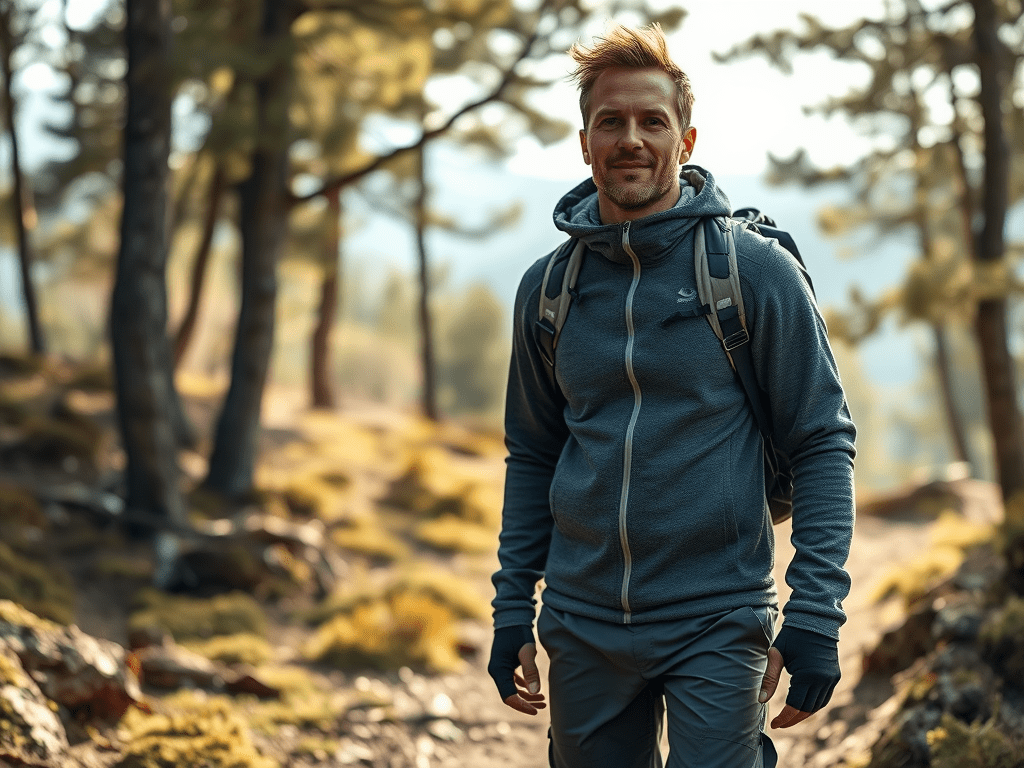

Did you know that 40% of hiking emergencies stem from improper clothing choices?
The difference between an enjoyable trek and a miserable experience often comes down to how well you layer your clothes. While many hikers simply pile on whatever feels warm, proper layering is actually a science – one that could save your life in challenging weather conditions.
Your body is constantly working to maintain its core temperature during a hike. Too many layers, and you’ll overheat and sweat excessively. Too few, and you risk hypothermia. The right layering system acts like a personal climate control, adapting to both your activity level and changing weather conditions.
Ready to master the art of layered clothing for hiking? This guide breaks down everything you need to know about choosing and combining the right layers for any hiking adventure. Let’s get started!
Understanding the Science of Layering
Your body is a remarkable temperature regulation machine, maintaining a core temperature of approximately 98.6°F (37°C). Understanding this delicate balance is crucial for safe and comfortable hiking.
How Body Temperature Regulation Works
During hiking, your body generates significant heat through physical exertion. When you stop for breaks, your body must quickly shift from cooling to warming mode. This constant battle for temperature balance burns substantial calories and water, making proper hydration and nutrition essential for maintaining your core temperature.
Why Proper Layering Matters for Hiking
The challenge isn’t just staying warm—it’s managing moisture. When hiking, sweating is virtually unavoidable, particularly in winter conditions. The real danger comes from wet clothing, as water transfers heat almost 25 times faster than air. This is why proper layering isn’t just about warmth; it’s about moisture management.
The Role of Different Fabrics in Temperature Control
Different materials play distinct roles in temperature regulation:
- Synthetic Materials (like polypropylene):
- Actively wicks moisture away from skin
- Doesn’t absorb moisture into fibres
- Uses capillary action for moisture transport
- Merino Wool:
- Retains warmth even when damp
- Creates natural air pockets for insulation
- Offers excellent breathability
The effectiveness of your layered clothing system depends on how these materials work together. For instance, while wool base layers hold onto moisture longer, they can feel warmer when damp. In contrast, synthetic materials dry quickly but may not provide the same level of warmth when wet.
Temperature regulation through layering isn’t just about adding more clothes—sometimes it means removing layers, even in sub-freezing temperatures. Success in layering requires constant awareness and adjustment. Your layers need to be easily accessible and well-organised to adapt to changing conditions effectively.
Essential Base Layer Fundamentals
The foundation of any effective layering system starts with selecting the right base layer. This crucial first layer acts as your second skin, providing an effective barrier between your body and the elements while managing moisture and temperature regulation.
Choosing Between Synthetic and Natural Materials
Your base layer choice typically comes down to two main options:
- Synthetic Materials:
- Superior moisture-wicking and quick-drying capabilities
- More durable and shape-retaining properties
- Excellent for high-intensity activities
- More affordable option
- Merino Wool:
- Can absorb up to 30% of its weight while staying dry
- Natural temperature regulation properties
- Excellent odour resistance for multiple-day use
- Better warmth-to-weight ratio
Finding the Right Fit and Coverage
Base layers should fit like a “stretchy second skin”. A properly fitted base layer follows your body’s contours without restricting movement. If it’s too tight, the seams will cause friction and potentially tear. Conversely, if it’s too loose, warm air escapes easily, compromising the layer’s insulating properties.
Base Layer Weight Categories Explained
Base layers come in different weights, measured in GSM (grammes per square metre):
| Weight Category | GSM Range | Best Use |
|---|---|---|
| Lightweight | 120-150 GSM | High-intensity activities, warm conditions |
| Midweight | 150-200 GSM | Moderate activity, versatile conditions |
| Heavyweight | Above 200 GSM | Low-intensity activities, cold conditions |
The weight you choose should align with your activity level and weather conditions. For instance, during high-exertion activities in cold weather, a lighter weight base layer often performs better than a heavy one, as it prevents overheating while maintaining adequate warmth.
Some manufacturers now offer hybrid options that blend synthetic and natural materials, combining the beneficial qualities of both. These hybrids typically feature synthetic fibres for durability and moisture management, while incorporating merino wool for warmth and odour resistance.
Mastering Mid Layer Selection
The mid layer serves as your primary insulation powerhouse in a layered clothing system. Think of it as your temperature control centre, working to trap and retain the warmth your body generates while hiking.
Fleece vs Down vs Synthetic Insulation
Each insulation type offers distinct advantages for different hiking conditions:
| Material | Warmth-to-Weight | Water Resistance | Cost |
|---|---|---|---|
| Down | Superior | Poor | Highest |
| Synthetic | Good | Excellent | Moderate |
| Fleece | Moderate | Good | Lowest |
Down insulation provides unmatched warmth for its weight, making it ideal for cold, dry conditions. However, it loses insulating properties when wet. Synthetic insulation, while slightly heavier, maintains its warming capabilities even in damp conditions and dries quickly. Fleece offers excellent breathability and performs well during high-output activities, though it provides less protection against wind.
Combining Multiple Mid Layers Effectively
The art of combining mid layers depends on both weather conditions and activity level. For extreme cold, pairing a lightweight fleece with a synthetic or down jacket creates an effective system. This combination offers:
- Active Warmth: Fleece layer for breathable insulation during movement
- Static Warmth: Puffy layer for additional insulation during rest stops
- Moisture Management: Enhanced vapour transfer through multiple thin layers
- Versatility: Options to adjust insulation based on exertion level
Adapting Mid Layers for Different Conditions
Your mid layer selection should evolve with changing conditions. In winter, thicker insulation layers like down jackets provide essential warmth. During shoulder seasons, lightweight fleece or synthetic options offer adequate protection while maintaining breathability.
For high-intensity activities, opt for more breathable options that allow excess heat to escape. Modern synthetic insulations like Polartec Alpha provide superior temperature regulation during active pursuits. When conditions are wet or humid, synthetic insulation proves more reliable as it maintains its insulating properties even when damp.
The key to successful mid layer adaptation lies in understanding your body’s heat generation during different activity levels. During rest stops, you might need to add a warmer synthetic or down layer, while a lightweight fleece might suffice during active hiking.
Outer Layer Protection Strategies
Protecting yourself from the elements is crucial when hiking, and your outer layer serves as your primary defence against nature’s challenges. Understanding the different protection levels available helps you make informed choices for your adventures.
Waterproof vs Water-Resistant Options
The distinction between waterproof and water-resistant gear can significantly impact your hiking experience. Waterproof materials offer the highest level of protection from rain and snow, while water-resistant options provide lighter protection suitable for brief showers.
Waterproof ratings are measured by hydrostatic head (HH), indicating how much water pressure a fabric can withstand:
| Rating (mm HH) | Protection Level |
|---|---|
| 3,000-5,000 | Water resistant |
| 5,000-10,000 | Light waterproof |
| 10,000-15,000 | Good waterproof |
| >20,000 | Highest protection |
For heavy and sustained rain, choose jackets with 20,000mm HH or higher.
Breathability and Ventilation Features
A waterproof outer layer must balance protection with breathability to prevent internal moisture build-up. Breathability is measured in g/m²/24hrs, with ratings above 20,000 offering optimal moisture transfer.
Key ventilation features include:
- Pit zips for efficient heat release during high-exertion activities
- Mesh-lined pockets for additional airflow
- Adjustable cuffs and hem for temperature regulation
- Storm flaps over zippers to prevent water ingress
Shell Layer Weight Considerations
Outer shells typically come in three construction types:
2-Layer Construction: Features a face fabric bonded to a waterproof membrane with a separate mesh liner. These shells offer good flexibility and comfort at a lower price point.
2.5-Layer Construction: Includes a partially bonded inner liner, providing the most lightweight option while maintaining decent protection.
3-Layer Construction: Offers the most advanced protection with a fully bonded inner layer. While more expensive, these shells provide superior durability and protection for challenging conditions.
For summer hiking, a lightweight shell suffices, but winter conditions demand more robust protection. The key is selecting a shell that matches your activity level and expected weather conditions. A fully waterproof hard shell proves essential in adverse conditions, while a water-resistant soft shell might work better for high-intensity activities in milder weather.
Remember that your outer layer’s effectiveness also depends on proper maintenance. Most shells feature a Durable Water Repellent (DWR) coating that causes water to bead and roll off. This coating requires regular maintenance to maintain its effectiveness, particularly in areas exposed to frequent precipitation.
Seasonal Layering Adjustments
Adapting your layered clothing system throughout the year is crucial for maintaining comfort and safety on the trail. Each season presents unique challenges that require specific adjustments to your layering strategy.
Summer Hiking Layer Modifications
Summer hiking demands a delicate balance between sun protection and heat management. During peak summer conditions, your primary focus should be on moisture control and UV protection. A lightweight, moisture-wicking base layer remains essential even in warm weather, as it helps manage sweat and prevents chafing.
Key Summer Adjustments:
- Use ultralight synthetic base layers for superior moisture management
- Choose breathable, sun-protective long sleeves over bare skin
- Pack a lightweight wind shell for unexpected weather changes
Winter Layering Techniques
Winter demands a more comprehensive approach to layered clothing. Your winter system should focus on both active warmth during movement and static warmth during rest stops. A down jacket becomes an essential addition to your winter kit, particularly during breaks or at higher elevations.
Temperature management becomes critical in winter conditions, as sweating can lead to dangerous cooling when you stop moving. Consider this winter layering progression:
- Start with a synthetic or merino wool base layer
- Add a mid-weight fleece for active insulation
- Include a puffy jacket for rest stops
- Top with a waterproof, breathable shell
Shoulder Season Adaptations
Shoulder season (March to late May and mid-September to late November) presents unique challenges with its variable conditions. During these transition periods, you might experience freezing temperatures in the morning and warm sun in the afternoon.
| Time of Day | Temperature Range | Layer Adjustment |
|---|---|---|
| Morning | Cold to Cool | Full layer system |
| Midday | Warm | Remove insulating layers |
| Evening | Cool to Cold | Add layers progressively |
Essential Shoulder Season Strategies:
- Pack multiple lightweight layers rather than fewer heavy ones
- Invest in quality outer layers for unpredictable weather
- Focus on versatile mid-layers that work across temperature ranges
For shoulder season hiking, synthetic base layers often perform better than merino wool due to their superior drying capabilities. This becomes particularly important when managing the temperature swings typical of these seasons.
Remember that spending more on key pieces like jackets and insulating layers is often worthwhile, while you can economise on basic items like summer shorts. This investment strategy ensures you’re well-equipped for the most challenging conditions while maintaining flexibility in your layering system.
A critical aspect of seasonal layering is understanding when to adjust your system. During uphill sections, you’ll typically generate more heat and may need to remove layers to prevent overheating. Conversely, during rest stops or descents, you’ll want to add layers quickly to maintain warmth.
Conclusion
Proper clothing layering stands as one of the most critical skills for hiking safety and enjoyment. Each layer plays a vital role – from moisture-wicking base layers against your skin to insulating mid-layers and protective outer shells.
Smart layering decisions depend on understanding your body’s needs and weather conditions. Your clothing system must adapt through seasonal changes, activity levels, and weather shifts while maintaining core temperature and managing moisture effectively.
Success on the trail comes from mastering these layering principles and practising them consistently. Armed with knowledge about materials, fit requirements, and seasonal adjustments, you can confidently tackle any hiking adventure while staying comfortable and protected.
Remember that layering remains an ongoing learning process – each hike provides new insights into perfecting your personal system. Start with quality essentials, test different combinations, and refine your approach based on experience. Your comfort and safety on future trails depend on making smart layering choices today.

 Lightpacker