

“Pay attention to the ounces, and the pounds take care of themselves” – this age-old lightweight backpacking wisdom has never been more relevant today.
Traditional backpackers typically carry more than 20 pounds (10 kg) of base weight. The modern approach to lightweight backpacking wants to achieve a lighter load of 12-20 pounds (5-10 kg). Ultralight enthusiasts expand these limits even further and target base weights under 10 pounds (4.5 kg).
My years of testing and refining backpacking weight strategies prove that these weight goals are achievable. Recent advances in gear technology mean you can pack lighter without sacrificing comfort. You can reduce your backpacking weight by a lot with my 15 practical tips for 2025, whether you plan to gradually swap out heavy gear or completely revamp your setup.
Shift Your Backpacking Mindset

Image Source: Hyperlite Mountain Gear
The ultralight movement goes beyond just carrying less weight – it represents a fundamental change in wilderness approach. Unlike traditional backpacking that brings home comforts along, lightweight backpacking needs a different point of view.
Understanding the Ultralight Philosophy
Ultralight backpacking moves away from materialism toward intentional minimalism. Traditional backpackers look at store shelves and ask, “What do I need?” Ultralight backpackers look at their packs and ask, “What don’t I need?” This mindset difference defines the ultralight approach.
Minimalism offers more than just practical advantages. You’ll discover a deep connection with your surroundings when your minimal camp setup proves perfect for the conditions. This creates a mental clarity that matches your lighter pack weight – you have exactly what you need, no more and no less.
Breaking Free from Traditional Packing Habits
A systematic approach helps break old packing habits. Start by:
- Asking yourself “Do I really need it?” and “What happens if I don’t have it?”
- Finding multiple uses for essential gear
- Making small changes to find your comfort level
Note that many hikers pack based on their fears. That extra solar charger, spare clothing, or backup items often reflect anxiety rather than necessity. A test hike before your main trip lets you figure out what you actually need versus what just calms your worries.
Setting Realistic Weight Goals for Your Body Type
Your physical characteristics determine your ideal pack weight. Your backpack should weigh between 10-20% of your body weight for daily use and 25-30% for multi-day trips. A 150-pound hiker’s pack should weigh 15-30 pounds for day hikes and stay under 45 pounds for longer trips.
These numbers serve as guidelines rather than rules. Your comfort level, fitness, and backpacking goals determine what works best for you. Many traditional backpackers keep their base weights under 30 pounds, while ultralight enthusiasts aim for under 10 pounds.
Your backcountry skills improve naturally with experience, and you’ll spot items you can leave behind more easily.
Conduct a Ruthless Gear Audit

Image Source: MDPI
Success in lightweight backpacking starts with knowing what’s in your pack and why you packed it. Getting a full picture of your gear is the quickest way to cut down weight without putting safety at risk.
Base Weight Assessment Techniques
Your base weight gives you the standard to improve – it’s the total weight of packed gear minus consumables like food, water, and fuel. Most traditional backpackers keep their base weights under 30 pounds. Lightweight backpackers want to stay under 20 pounds, and ultralight enthusiasts push for less than 10 pounds.
A digital kitchen scale helps you weigh everything from your tent to your toothbrush. Track these numbers in a spreadsheet to see your progress. On top of that, grouping gear by type (shelter, sleep system, clothing, etc.) shows which parts of your kit weigh the most.
The ‘Use It or Lose It’ Methodology
Right after each trip, I sort everything into three piles:
- Stuff I use often
- Stuff I rarely touch
- Stuff that never leaves my pack
Take a hard look at the second and third piles. That spare pair of camp socks or those backup rain pants might seem light, but it all adds up. Taking photos of these piles serves as a great reminder when you pack for your next trip.
Digital Tools for Tracking Gear Weight
New apps have replaced old spreadsheets and streamline the weight tracking process. LighterPack leads the pack with colour-coded charts that show your heaviest gear categories instantly. TrailPost works similarly and lets you check out other hikers’ gear lists for ideas.
WeighMyGear helps beginners with ready-made templates and smart completion features. PackLight works great on phones and lets you pull in your LighterPack data easily.
These digital tools take away the guesswork and help you make evidence-based choices about cutting weight effectively.
Plan Routes Around Water Sources

Image Source: TrailGroove Magazine
Water planning could save you the most weight in your lightweight backpacking toolkit. Water weighs about one kilogramme per litre, making it the heaviest item you’ll carry.
Mapping Water Availability
You should research water sources along your route before hitting the trail. Topographic maps help you spot streams, rivers, lakes, and springs. You can cross-reference these with satellite imagery or specialised resources like the PCT Water Report. Digital mapping apps with hydrography layers give you updated information about seasonal water availability. Local rangers or land managers can tell you which sources flow during your trip window since seasonal changes might make map data unreliable.
Reducing Carried Water Weight
The basic rule is straightforward – carry just what you need between sources. A typical hiker drinks about one litre every 2-3 hours or 4-6 miles. This helps you figure out exactly how much to carry between reliable sources. You should “camel up” by drinking 0.5-1 litre at each source. This reduces what you need to carry. Making meals at water sources helps you avoid carrying cooking water.
Ultralight Water Purification Methods
These three ultralight treatment options work best:
- Chemical treatment (like Aquamira) – Ultralight but needs 30+ minutes treatment time
- Squeeze filters (Sawyer/BeFree) – Lets you drink right away with minimal weight
- UV purifiers (SteriPEN Ultralight) – Works in 60 seconds for clear water
Pick what suits your environment to save maximum weight. A coffee filter helps pre-filter silty water and extends your primary system’s life.
Hydration Strategies for Different Climates
Your water needs change with the environment. Hot weather might require 1-1.5 litres per hour, while cooler regions need only 3-3.5 litres daily. Extreme climate backpackers should hike during cooler hours to use less water. Your body loses more fluids at higher altitudes due to increased breathing and urination rates.
Master the Art of Lightweight Food Planning

Image Source: Backcountry Foodie
Food makes up 30-50% of a backpacker’s total load. This makes it the perfect target to cut down weight. Backpacking enthusiasts who want to travel light need good planning and a fundamental change in their approach to trail nutrition.
Calorie-to-Weight Ratio Optimisation
Smart food packing comes down to one vital number: calories per ounce. Most trail veterans look for foods that pack at least 100-125 calories per ounce. The weight differences can be dramatic. A standard five-day food supply at 4,000 daily calories (20,000 total calories) shows these variations:
- 20.5 pounds at 60 calories/ounce (tuna, hummus)
- 15.5 pounds at 80 calories/ounce (jerky, bagels)
- 12.5 pounds at 100 calories/ounce (instant rice, energy bars)
- 10.5 pounds at 120 calories/ounce (pita chips, hard sweets)
- 9 pounds at 140 calories/ounce (chocolate, cheese snacks)
Fat gives you 9 calories per gram while carbohydrates and proteins provide only 4 calories per gram. Adding healthy fats through nuts, olive oil, or powdered butter helps pack more calories without adding much weight.
Resupply Strategies for Long Trails
Smart resupply means more than just finding food. The best approach balances three options based on your route:
You can buy supplies in towns along the way, which gives you flexibility but might limit your choices. Another option is preparing and shipping boxes ahead – this ensures you get the food you want, whatever the local stores stock. Remote routes might need food caches where towns aren’t available.
Most hikers do well with 3-5 days of food. This keeps their pack weight manageable and reduces town stops. Long trips become easier with frequent resupply points – carrying three days of food weighs nowhere near as much as five days’ worth.
Packaging Reduction Techniques
Regular packaging adds up to 15% extra weight to your food. Ziplock bags save weight and valuable pack space. Dehydrated meals become lighter when you remove oxygen absorbers and extra packaging – you can save several ounces on a week-long trip.
Food safety matters when repackaging. Clean your work surfaces, wash your hands really well, and make sure meals are completely dry before sealing. Write expiration dates on your repackaged items, especially for longer trips.
Invest Wisely in Ultralight Shelters

Image Source: Reddit
Your choice of shelter is your best chance to cut weight from your lightweight backpacking kit. You can drop several pounds just by switching from a regular tent to an ultralight option. This simple change often makes the biggest difference in lightening your load.
Tarp vs. Tent Weight Considerations
Tarps and tents have a big weight difference, but each has its trade-offs. A complete tarp setup with groundsheets and bug nets weighs between 500g and 1.5kg. Regular tents tip the scales from 700g to 2.5kg. The weight you save lets you use a smaller, lighter pack too.
Tarps give you more usable space for their weight than any other shelter. The downside is less protection from bugs and ground moisture. Tents shield you better but weigh more. Your environment should guide your choice. Tarps work great in mild weather but aren’t the best for freezing temps or areas with lots of insects.
Seasonal Shelter Selection
Different seasons call for different shelters. Ultralight tarps or single-wall shelters do the job for summer backpacking in mild weather. Many backpackers skip the tarp on clear summer nights.
Winter and alpine trips need stronger protection. The Black Diamond Mega Light (£317.66) works great for snow camping and weighs just 2 lb 13 oz. The REI Arete ASL 2 (£356.58) serves you well year-round at 6 lb 5 oz.
Budget-Friendly Lightweight Options
You don’t have to spend a fortune on ultralight shelters. Good waterproof tarps cost between £80 to £250. Similar quality tents run £400-1,500.
Solo hikers should check out the Tarptent ProTrail (about £190). It weighs only 1.5 pounds and has excellent airflow through its mesh panels. The Durston X-Mid 2 stands out at about £220. It matches the performance of much pricier shelters.
Note that ultralight shelters take practise to set up right. Test any new shelter in your backyard before you trust it in rough weather on the trail.
Optimise Your Sleep System

Image Source: Pie On The Trail
Your sleep system makes up 20-30% of your total base weight, which makes it a key target to reduce weight in lightweight backpacking.
Temperature Rating vs. Weight Tradeoffs
Temperature ratings are the foundations of sleep system optimisation. Many hikers don’t understand these ratings correctly—a 20°F sleeping bag won’t always keep you comfortable at that temperature. The difference between comfort and survival ratings matters a lot. A comfort rating shows the lowest temperature where average users stay comfortable all night, while survival rating just keeps you alive. Selecting a sleep system rated 10°F below expected low temperatures creates a good buffer for three-season backpacking.
Most thru-hikers choose bags or quilts rated to 10-20°F for summer experiences. Each temperature degree adds weight, so choose wisely—every 10°F decrease in rating adds 2-4 ounces.
Ultralight Sleeping Pad Selection
Your pad’s insulation value (R-value) matters as much as your bag’s temperature rating. Backpacking pads have R-values ranging from 1.0 to 8.5:
- R-values 1-2: Summer use only
- R-values 2-4: Three-season use
- R-values 4-6: Cold weather camping
- R-values 6+: Winter camping
Ultralight backpackers can pick from three main pad types: air pads (lightest but can puncture), closed-cell foam (indestructible but less comfortable), or self-inflating (middle ground between both). R-value 3.2 works best for three-season use.
Quilt Adaptations for Weight Reduction
Quilts are the quickest way to save weight in traditional sleep systems. These designs skip the hood, back, and full-length zipper found in regular sleeping bags, which cuts weight by 20-30% compared to similar temperature-rated bags.
This weight savings comes from basic physics—compressed down doesn’t insulate. Your body squishes the insulation underneath you anyway, so quilts remove this extra material. Quilts also let you ventilate better, pack smaller, and usually cost less than similar sleeping bags.
The best quilts come with warm neck collars, enough width, and reliable pad attachment systems that prevent cold drafts.
Choose Footwear That Reduces Fatigue

Image Source: Australian Hiker
Your feet carry extra weight that makes you tired much faster than weight in other places during hiking. Many hikers don’t pay attention to their footwear choices as they try to pack lighter. Yet footwear remains one of the most vital parts of lightweight backpacking.
Trail Runners vs. Boots for Lightweight Backpacking
The way hikers choose between trail runners and boots has changed a lot over the last several years. Traditional leather boots usually weigh 1.5-2.5kg per pair. Trail runners are much lighter at just 500-700g. This difference in weight becomes really important with each step you take. A typical day of hiking involves 15,000-25,000 steps. Every gramme adds up quickly.
Trail runners feel comfortable right away without any break-in period. Boots need time before they feel right. Trail runners work best on good paths during warm weather. Boots give better protection in harsh winter conditions and very rocky terrain.
The Cascading Effect of Lighter Footwear
US Army Research shows that weight on your feet needs 4.7-6.4 times more energy than the same weight on your torso. This creates an amazing chance to save energy. Taking off 450g (1lb) from your feet equals removing 2.3kg (5lbs) from your pack.
My personal experience backs this up. My feet hurt badly after about 20km in boots that weigh 1350g. The same distance feels fine in shoes that weigh half as much. Each kilometre means lifting your boots about 1660 times with a 60cm stride length.
Foot Care for Minimalist Hikers
Light footwear needs proper preparation. Build up foot strength before long hikes. Pick non-waterproof shoes that dry fast and breathable socks made from materials like merino wool to keep moisture away.
Toe spacers with toe socks like Injinji help prevent blisters. New supportive insoles that match your foot’s natural arch should replace old ones regularly. Check your trail runners often – they last about 500 miles before needing replacement.
Implement the One-Ounce Rule

Image Source: The Trek
The one-ounce rule is the life-blood of lightweight backpacking. It shows how small weight cuts add up to change your pack weight significantly. This simple idea helps improve most ultralight gear and reflects a basic truth about backpacking: tiny savings build up to big cuts.
Identifying Items to Eliminate or Replace
You need to evaluate every item ruthlessly to use the one-ounce rule well. Sort your gear into three piles after each trip: stuff you used often, sometimes, and never. Items that end up in the “never” pile should leave your kit right away. Most hikers find their biggest weight savings in toiletries, extra clothes, and tools they don’t need.
Look at these common culprits in your kit:
- Toiletries in big containers (switch to smaller bottles)
- Multi-tools with features you rarely use
- Too many clothes beyond your basic layers
- Big first aid supplies you can downsize
Ask yourself if each item really does its job or if something lighter could work instead. Many ultralight fans even trim extra material off their gear, like cutting off unused straps or making toothbrush handles shorter.
The Cumulative Effect of Small Weight Savings
Numbers don’t lie—cutting just 28 grams (one ounce) from 16 different items takes almost half a kilogramme off your pack. This method works even better when you look at everything you carry.
Smart ultralight backpackers weigh each item instead of trusting what manufacturers say. These tiny tweaks often save more weight than replacing one big item.
Exceptions to the Rule for Safety and Comfort
Safety comes first, so don’t cut weight there. First aid kits, navigation tools, and emergency devices are must-haves, though lighter options exist. Your comfort matters too—an ultralight sleeping pad isn’t worth it if you can’t sleep.
Your essential items like medication need special attention. Many countries let you bring crucial medicines even if they’re heavy. Remember that ultralight principles should make hiking better, not worse through discomfort or risks.
Embrace Ultralight Technology Solutions

Image Source: Reddit
Modern technology has changed the way we approach lightweight backpacking. Smart use of digital tools can cut hundreds of gram from your pack without compromising safety or functionality.
GPS Apps vs. Physical Maps
Digital navigation has transformed backcountry travel, but physical maps remain a vital backup. Most hikers now use smartphone navigation apps instead of dedicated GPS devices because they’re versatile and have updated maps regularly. Gaia GPS, Caltopo, and AllTrails are popular choices that offer unique strengths for planning routes and navigating trails.
Electronic navigation tools work best alongside paper maps rather than replacing them completely. Your electronic devices might run out of power or break, while waterproof maps stay reliable. Plus, electronic devices only connect to satellites every so often instead of continuously, which can lead to errors in distance or elevation calculations.
Lightweight Power Management
Managing power is vital when you rely on electronic devices. A 10,000 mAh power bank gives you about three smartphone recharges and weighs around 265g. This makes it perfect for weekend to week-long trips.
Here’s what to think about when picking a power bank:
- Capacity-to-weight ratio (skip the unnecessarily large banks)
- Charging speed (both input and output)
- Cold weather performance (batteries work less efficiently in cold)
- Durability for backcountry conditions
Small portable solar panels (5-10 watts) can be attached to your pack to charge devices while hiking on longer trips. They’re not as efficient as wall charging though.
Multi-Function Device Strategies
You can save the most weight by using multi-purpose items. Your smartphone works as a cell phone, camera, GPS, music player, recording device, and journal. This removes the need for multiple single-purpose devices.
Here are some great examples of technology-based multi-function gear:
- Swiss Army Classic knife (scissors, tweezers, toothpick)
- Reconstituted sports drink bottles that double as backcountry bidets
- Buff headwear that serves as beanie, balaclava, ear warmer, and sweat band
Technology should improve your wilderness experience, not make it complex. Making your electronic kit simpler follows the same idea as your physical gear—get rid of anything redundant.
Adapt Your Clothing System for All Conditions

Image Source: Adventure Alan
Clothing flexibility is the unsung hero of lightweight backpacking. Traditional hikers pack separate outfits for every possible scenario. Ultralight enthusiasts rely on adaptable clothing systems that work in different conditions while keeping weight minimal.
The Core Lightweight Clothing Framework
The success of clothing systems depends on the layering principle. This approach uses multiple thin layers instead of fewer bulky ones to regulate temperature precisely. The ideal framework has:
- Base layer: Moisture-wicking materials that pull sweat away from skin (merino wool or synthetics, never cotton)
- Mid layer: Insulating pieces that trap warmth (fleece or synthetic fill)
- Outer layer: Weather protection against wind and rain
Merino wool makes an excellent base layer material because its natural antibacterial properties reduce odour during extended trips. Synthetic options like Montbell Thermawrap or Patagonia R1 work better than down in wet conditions for insulation layers. This framework becomes your foundation in all environments.
Adapting for Seasonal Variations
Mild seasons call for lightweight, quick-drying synthetic or merino options that dry quickly after washing. Summer hikers might only need shorts, a sun shirt, and minimal accessories, with one warm layer for evenings.
The shoulder season needs more flexibility—usually a fleece layer, full base layers, and an extra pair of socks. Winter requires redundancy with multiple insulating options you can combine as needed. The core system stays consistent while individual pieces adapt to expected conditions.
Ultralight Rain Protection Strategies
Quality rain protection is a non-negotiable safety item, even while keeping weight minimal. Rain jackets should have essential features: good DWR finish, pit zips for ventilation, adjustable cuffs, and fully adjustable hoods with stiff brims.
Waterproof caps that extend under your hood provide superior face protection. Even ultralight jackets need care – wash and renew the DWR coating before each hiking season starts.
Minimalist Approach to Camp Clothes
Smart hikers keep one set of clothing just for camp and sleeping. Adult hikers put damp hiking clothes back on each morning, even on extended trips, and save dry camp clothes for evenings. This strategy helps maintain warmth during inactive periods.
Experienced hikers limit their three-season clothing system to just nine items (excluding accessories), showing that versatility matters more than quantity. The key lies in picking pieces that work together in various combinations rather than single-purpose items.
Train Your Body for Lightweight Travel

Image Source: ALPSinsight
Physical conditioning becomes your most valuable lightweight asset once you optimise your gear. Many hikers obsess over cutting ounces from their equipment. They often overlook the weight they already carry—their own bodies.
Physical Preparation to Carry Less
Your fitness level changes what you need to pack. Each kilogramme you lose from your body reduces your effort on the trail. This creates a positive cycle – fitter hikers need less gear because they move better and bounce back faster.
The best results come when you start training 3-4 months before your adventure. Your weekly routine should include:
- Three days of cardio/endurance exercise (hiking, walking, swimming)
- Two days of strength training focused on legs and core
- Two non-consecutive rest days to recover
- Daily flexibility work through stretching or yoga
Small, steady increases in intensity work better than big jumps in difficulty throughout your training.
Techniques to Hike Efficiently
Efficient hiking goes beyond fitness into technique. Ultralight backpackers keep their momentum through movement patterns that save energy.
Keep a steady pace instead of switching between sprints and rests. This approach saves your glycogen stores and helps you avoid getting tired. You should also develop a breathing rhythm that matches your steps to get the most oxygen.
On challenging sections, take shorter strides and quicken your steps. This helps you stay stable without losing speed.
Recovery Practises for Ultralight Backpackers
Smart recovery needs attention during and after your hike. Drink water regularly and eat balanced meals within 30-60 minutes after hiking to replenish glycogen effectively.
After hiking, do active recovery by stretching major muscle groups—especially quads, hamstrings, calves, and back. Note that muscle soreness comes from small tears, a normal process that builds strength when handled properly.
If your muscles feel especially tight, use a foam roller at least once a week. This breaks up adhesions and improves blood flow, which helps you recover faster between training sessions and during multi-day adventures.
Master Ultralight Techniques for Challenging Terrain
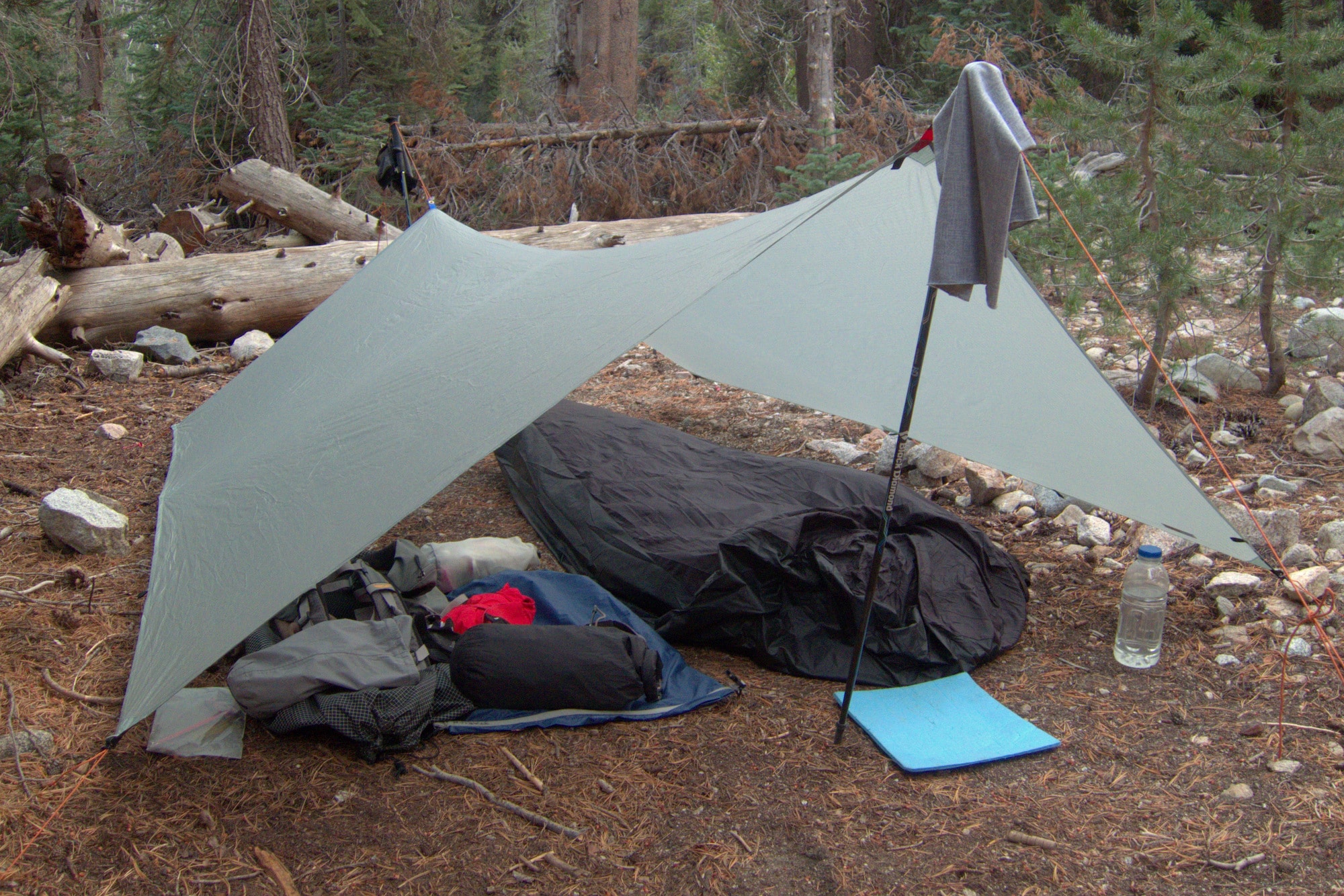
Image Source: Andrew Skurka
You’ll face the true test of ultralight skills in extreme terrain conditions. My experience as an ultralight backpacker has taught me that different landscapes just need specialised approaches. The same ultralight setup won’t give you optimal results across all environments.
Alpine Lightweight Strategies
Alpine environments mix challenging weather, dramatic temperature swings, and technical terrain. Your most critical skill in mountain adventures is campsite selection. You should pitch shelters in protected areas, among trees that block wind, instead of exposed beautiful spots by alpine lakes. Trees help you stay warm by reducing convective heat loss and decrease wind stress on your shelter and stakes.
Your alpine gear selection should include:
- Lightweight but durable shelters that pitch with minimal pegs due to rocky ground
- A warmer sleeping bag (10°F below expected lows) since temperatures drop dramatically at altitude
- Microspikes for icy terrain if you’re travelling above 3,000m
Light but steady movement maintains warmth without causing overheating and sweating in alpine environments. Stopping can be dangerous when it’s cold.
Desert Weight Considerations
Desert backpacking brings unique challenges that revolve around water strategy. Water availability shapes your entire route planning. Expert ultralight desert hikers map water sources carefully and “camel up” by drinking 0.5-1 litre at each source.
Desert backpacking needs clothing systems adapted for temperature extremes beyond standard ultralight principles. The Grand Canyon’s temperature can swing from 15°F to 90°F in a single day. A proper layering system plus a synthetic insulated jacket works well while staying lightweight. This combination handles both extremes effectively.
Coastal and Wet Environment Adaptations
Wet environments reveal the limits of ultralight gear that excels in dry conditions. Synthetic insulation works better than down in constant dampness because it stays warm when wet. Your shelter choice becomes crucial – good ventilation cuts down condensation inside your shelter. Small tents often face worse condensation than larger tarps or pyramid shelters.
Quick-drying materials and ventilation matter more than absolute waterproofness in coastal and wet environments. Constant moisture eventually defeats waterproof-breathable materials. Rain protection that dries quickly between showers works better than completely sealed options.
Develop Ultralight Camp Routines

Image Source: Expert Vagabond
A well-planned camp routine is the hidden gem of lightweight backpacking. My years on the trail have taught me that simple processes help save time and energy. They also keep your gear from getting lost in the backcountry.
Efficient Morning and Evening Processes
When I reach camp, I look for water sources before setting up my shelter. This helps me avoid carrying extra water weight to the campsite. The next steps flow naturally – I filter water, set up my shelter, inflate sleeping pads, and arrange my gear in similar spots each night. My consistent setup means I never waste time searching for important items in the dark.
My evening routine includes organising everything I’ll need tomorrow. Breakfast, toiletries and daily items go where I can grab them quickly. This simple habit lets me pack up camp in minutes instead of digging through messy gear.
Minimalist Cooking Techniques
The key to ultralight cooking is keeping things simple while saving fuel. The lightest option skips stoves completely through cold-soaking – just add water to dehydrated food and wait. This works great with oatmeal, couscous, and many trail meals.
Hot meals don’t have to be complicated. The quickest way is to just boil water and add it to freezer-bag meals. Let them sit in an insulated cosy for 5-20 minutes. You won’t need to scrub pots and you’ll carry less fuel weight.
Simplified Camp Setup and Breakdown
Practise makes your shelter setup faster. Set up your shelter 3-5 times at home before any trip. Soon you’ll do it confidently in minutes. Keep your gear placement consistent – sleeping gear at one end, clothes as pillows, and essentials along the sides.
Pack most items the night before to leave camp quickly in the morning. A personal checklist will make sure nothing gets left behind. I start my morning by deflating pads and packing sleeping bags. While my breakfast water boils, I break down camp systematically. This routine saves valuable morning hiking time and stays true to ultralight principles.
Address Common Ultralight Backpacking Mistakes

Image Source: Terradrift
Many backpackers chase lighter packs but cross the line between smart weight reduction and dangerous compromises. My years of lightweight backpacking taught me these common mistakes firsthand—I’ve made quite a few myself.
Sacrificing Safety for Weight
The golden rule of ultralight backpacking stands firm: never compromise safety to cut weight. Even dedicated gramme-counters need their essential safety items. We packed first aid supplies, navigation tools, headlamp, fire-starting kit, and a multi-tool.
An ultralight whistle weighs almost nothing yet stands out as one of the most effective emergency signalling devices. A lightweight compass paired with simple orienteering skills gives you vital backup when electronic devices fail.
Ignoring Weather Realities
Weather miscalculations rank among the riskiest ultralight mistakes. Checking forecasts for towns instead of your actual hiking spot leads to serious misjudgments. The temperature drops about 1°C for every 100 metres you climb in elevation.
Smart backpackers prepare for the worst conditions whatever the forecast says. One expert puts it well: “there is a right way to backpack: equip yourself with the gear, supplies, and skills appropriate for the conditions”.
Ultralight Gear Durability Considerations
Ultralight gear trades some durability for weight savings. Modern materials offer impressive strength-to-weight ratios, but thinner fabrics and minimalist designs can’t take the same beating as heavier options.
Smart gear choices help alleviate these issues. Materials like Dyneema Gridstop, known by its white grid pattern, offer exceptional strength while staying ultralight.
Finding Your Personal Comfort Threshold
Your ideal base weight should line up with your priorities rather than arbitrary standards. Many ultralight enthusiasts find that going too light makes trips less enjoyable—you need to find your sweet spot.
My experience shows that the “right” pack weight varies hugely between people. What you might call essential, others see as extra weight. The best pack weight ended up being the one that lets you enjoy the trail.
Create a Continuous Improvement System

Image Source: Trail & Crag
Your trip to optimise an ultralight kit never really ends. It’s a continuous process of making things better. You’ll keep lightening your load without compromising functionality or safety by developing systematic ways to improve.
Post-Trip Gear Analysis
A three-pile system helps you categorise your equipment after each adventure: items you used frequently, occasionally, and never. This honest evaluation helps you spot unnecessary weight. Look at items that keep showing up in your “never used” pile—these should be the first to go on future trips.
Your gear’s performance under real conditions needs documentation. Many ultralight enthusiasts keep special post-trip journals. They write down specific observations about how their gear worked, any damage it sustained, and ways to make it better. This method turns real experiences into useful tips for future trips.
Weight Reduction Tracking Methods
Numbers matter in lightweight backpacking. A digital kitchen or luggage scale helps you weigh every part of your kit. A detailed spreadsheet of each item and its weight shows how small items add up to serious weight quickly.
Tech-savvy hikers use apps like LighterPack that show colour-coded charts to spot their heaviest gear categories right away. The numbers often help make weight-reduction choices more logical than emotional.
Community Resources for Ultralight Innovation
The ultralight backpacking community runs on shared knowledge and new ideas. The r/Ultralight subreddit stands out as the most valuable resource, with over 12 years of collected wisdom. You can submit your gear list for a “shakedown” where seasoned hikers suggest improvements that fit your needs.
Other great resources include:
- YouTube channels like John Zahorian and Jupiter Hikes
- Backpacking Light forums for deep technical discussions
- Cottage gear manufacturer websites for innovative designs
Note that ultralight is a trip, not a destination. By the time you’ve made one part of your kit better, new ideas and techniques will have emerged—making lightweight backpacking the sort of thing I love, always changing and evolving.
Comparison Table
| Tip | Main Focus | Effect on Weight | How to Implement | What to Remember |
|---|---|---|---|---|
| Change Your Backpacking Mindset | A simple approach to carrying less | Base weight 10-20% of body weight | Ask if you really need each item | Your mental state matters more than gear |
| Do a Strict Gear Review | Looking at every item’s weight | Traditional (<30 lbs) to ultralight (<10 lbs) | Weigh everything with a kitchen scale | Sort gear by what you use and don’t use |
| Map Routes Near Water | Managing water weight | ~1kg per litre carried | Plan for 1L every 2-3 hours | Water sources change with seasons |
| Get Better at Food Planning | Making food weight count | 30-50% of total load | Aim for 100-125 calories per ounce | New packaging cuts weight by 15% |
| Buy Ultralight Shelters | Cutting shelter weight | Tarps: 500g-1.5kg vs Tents: 700g-2.5kg | Pick what suits the season | Set up at home first |
| Better Sleep Gear | Smart sleep system choices | 20-30% of base weight | Try quilts instead of sleeping bags | Match gear to weather |
| Pick Light Footwear | Less tired feet | Trail runners (600-900g) vs Boots (1.5-2.5kg) | Choose based on your trail | Saving 450g on feet saves 2.3kg overall |
| Use One-Ounce Rule | Cut weight systematically | 28g (1oz) saved per item | Find items to remove or replace | Keep all safety gear |
| Welcome Technology | Using digital tools | N/A | Your phone can do multiple tasks | Watch your battery life |
| Smart Clothing Choices | Flexible clothing system | N/A | Layer your clothes | Pick adaptable pieces |
| Get Your Body Ready | Physical preparation | N/A | Train 3-4 months before trip | Mix cardio and strength |
| Learn Trail Skills | Handling different terrain | N/A | Match methods to conditions | Each trail needs its own approach |
| Better Camp Setup | Making camp life easier | N/A | Make setup steps routine | Practise tent setup 3-5 times |
| Fix Common Problems | Managing risks | N/A | Keep essential safety items | Balance light weight and durability |
| Track Improvements | Always getting better | N/A | Review gear after trips | Use apps to track changes |
Conclusion
Lightweight backpacking is a big move away from old-school outdoor practises. You need to think carefully about every item you pack while keeping safety first. My years of testing these techniques have shown that each hiker needs their own approach based on what works for them.
A lighter pack makes everything better. You get less tired, hike faster, and enjoy nature more. There are many ways to reach your target base weight. Some hikers start by getting a better shelter, while others focus on smarter food and water planning.
I ended up learning that slow and steady improvements work best in lightweight backpacking. Each trip gives you a chance to try new methods, make your kit better, and trust your minimal setup more. My trip to lighter loads taught me that small, steady changes add up to big improvements in both gear and how you think about packing.
These fifteen tips are just the beginning of your lightweight backpacking progress. Start with changes that feel right to you. Keep track of what works, and slowly work toward your perfect setup. The trail is waiting for you – with a lighter pack on your back and more bounce in your step.

 Lightpacker